It’s getting harder and harder to mark the shift of seasons. Climate change may mean that summer goes on much longer than you expected where you live, or winter seems never-ending and that much more dramatic. But change they do, and my question for you, dear reader, is: are you ready for a new season?
Anyone who follows the precepts of Chinese medicine already pays attention to seasonal living. We view the environment as a reflection of the individual. The individual is a mirror, too, one that provides a reflection of that same environment in turn. Seasons change and so do we, as part of that dynamic.
What do you think about the change of seasons? It is, if you ponder it, important that you mark these transitions.
“Mid-August through to the fall equinox on September 22nd is a period of neither-this-nor-that. It’s not really summer, not any longer; but it’s not yet fall, either. Instead, at least according to Chinese medicine, it is a fifth season known as late summer. This is a transition period between yang (spring and summer’s expansive energy) and yin (fall and winter’s slowness and contraction).
—Late Summer: Health, Happiness, & Strategies
It is a moment of pausing, and an in-between.“
But how can we maintain our awareness and engagement when the seasons no longer change as clearly as they may have in past years? Also, I don’t know about you, but the COVID pandemic and shutdown seem to have changed my connection with time passing in a strange way. I am aware that time is passing and has passed, but it’s faster now and more disconnected. I practice being attentive to time, now, in a way that I did not before the shutdown.
*****

*****
Where are you now?
Mentally, physically, spiritually… Where are you in your life’s journey? How do you mark the passage of time?
As the daughter of academics, and an academic myself over the course of two decades, I used to measure time by the yardsticks of summer vs. mid-August/early September. January 1st was more or less irrelevant for me as compared to the start of a new school year. If you have kids or you’re still in school, you know this feeling. I’ve been a practitioner of Chinese medicine for a good while now, having left academia (well, officially left academia–I’m still Professor Bruno in my heart where it counts) over a decade ago. September rolls around and I still feel it more so than I do January 1st, even now, but the tie loosens a bit with every passing year.
“Ah, the end of summer…fall will soon be upon us and with this change of season comes an invitation to review how we interact with our environment. Autumn is also a time to consider themes of impermanence and change, don’t you think? The trees shed their leaves and summer says its goodbyes, and so another year winds to an end.”
—Living With the Seasons According to Chinese Medicine: The EDS Version (Are You Ready For Fall?)
What about you? What speaks to you of the passage of one season into the next? Things like the daylight savings time or the kinds of fruits and vegetables that become more readily available as per the season are small indications of change. Important birthdays or milestones like a new baby or a decision to retire are big reminders that nothing stays the same forever.
*****

*****
Practical preparation
What do you think about death cleaning? This is a Swedish practice that entails mindfully getting rid of stuff and clutter so that the people who survive you don’t need to deal with your undealt-with stuff. I think it’s a great idea and I also think that an emotional version is wise too. By that, I mean: it’s a worthy task to get rid of emotional junk that doesn’t need to be hauled around on your back for the rest of your days.
It may require the support of a therapist or it may not, but is it available to you to get rid of some old garbage that does nothing for you now? Shame, guilt, regret… these weigh on a person, keeping them stuck in an eternal now poisoned by the past.
“And so… this essay invites you to consider how you navigate your wellbeing during during winter and it shares ways to nurture your wellbeing in so doing. Also, and in accordance with my other essays on the subject, I base this discussion on the four primary factors related to the seasons and health according to the philosophy of Chinese medicine. These are: environment, organs, food, and mood.”
—Living With the Seasons According to Chinese Medicine: Strategies for a Happier, Healthier Winter
Meantime, going through one’s tangible stuff and getting used to tossing or donating what’s not needed or wanted is a great way to honor the passage of time. Those jeans that no longer fit (and will never fit again) can go. So can the books that will never be read or the worn-out bed linens or unused dishes. A clear space and a healed internal landscape can make it so much easier to be present for today and aware that tomorrow is just on the horizon.
*****

*****
Gather your roses while you may…
Carpe diem is not just for the Roman poet Horace or for his successors during the Renaissance, though they gave much more attention to this topic than we do today. It may be that the difference is in life expectancy. People didn’t live much past their twenties in the first and their forties in the second. Seizing the day was a good idea, especially if you were a lovely young woman who could die in childbirth at a tender age. Things are different now (well, more or less) but the point is: we may not have the poignancy and practicality of needing to seize the day the way our forebears did but that doesn’t mean it’s any less important.
“Spring is the time to consider themes of reawakening and growth. The trees and flowers start to bloom and suddenly, nature comes alive all around us. Winter is gone and summer is on the horizon. The transition here is from sleep and cold and stillness (yin) to activity and warm and movement (yang). Being attentive and going with the flow of the shift is a healthy choice that makes the season enjoyable and healing in its own way.”
—Living With the Seasons According to Chinese Medicine: The MCAS & EDS Version (Are You Ready For Spring?)
We will all die one day. Later, if we’re lucky, but death comes for everyone. It really is important to treat each day as the treasure that it is. Sometimes, yes, the treasure is bitter and comes at a great cost. I treat too many patients with chronic pain and illness to chirp happily about how life is a sparkling gift. For many, it is not. But I do believe that there are always even the smallest things to spark gratitude. I believe that there are things worth fighting for in this life.
What matters to you? What aspects of your life make you feel grateful? Nothing lasts forever, so gather those roses while you have them. Be cognizant of death and of living.
*****

*****
Be present in the moment, preparing for what may come next
As I write this, summer is winding its way towards fall. You may be reading this as spring turns into summer. Every season has its beginning and its ending. What are you doing right now, today, to nurture your own health and wellbeing? Have you considered trying Chinese medicine, or are you looking for a health coach? What about reviewing your nutrition or sleep habits and making some healthy change there?
“Summer is a great time to be active and to rest and enjoy replenishment and renewal. We do look ahead, knowing that fall is around the corner. In fact, we prepare for the upcoming season of turning inward by not being too excessive right now. We intentionally take care, knowing that self-care is not selfish, and we know that our own wellbeing reflects to those around us and comes back to its source.”
—Living With The Seasons According To Chinese Medicine: Summer Tips For Health And Happiness
Stop where you are, right now. Look around you, taking in sights and sounds and smells, movement and stillness and yourself, placed right here, right now. Take a breath. Feel your feet on the ground, or your hands. Relax your belly.
Be present. Feel the past (you carry it, still) and acknowledge that this very moment is fleeting. Over before you know it. But you were there for it, and it is yours.
What do you want to do next?
*****
*****
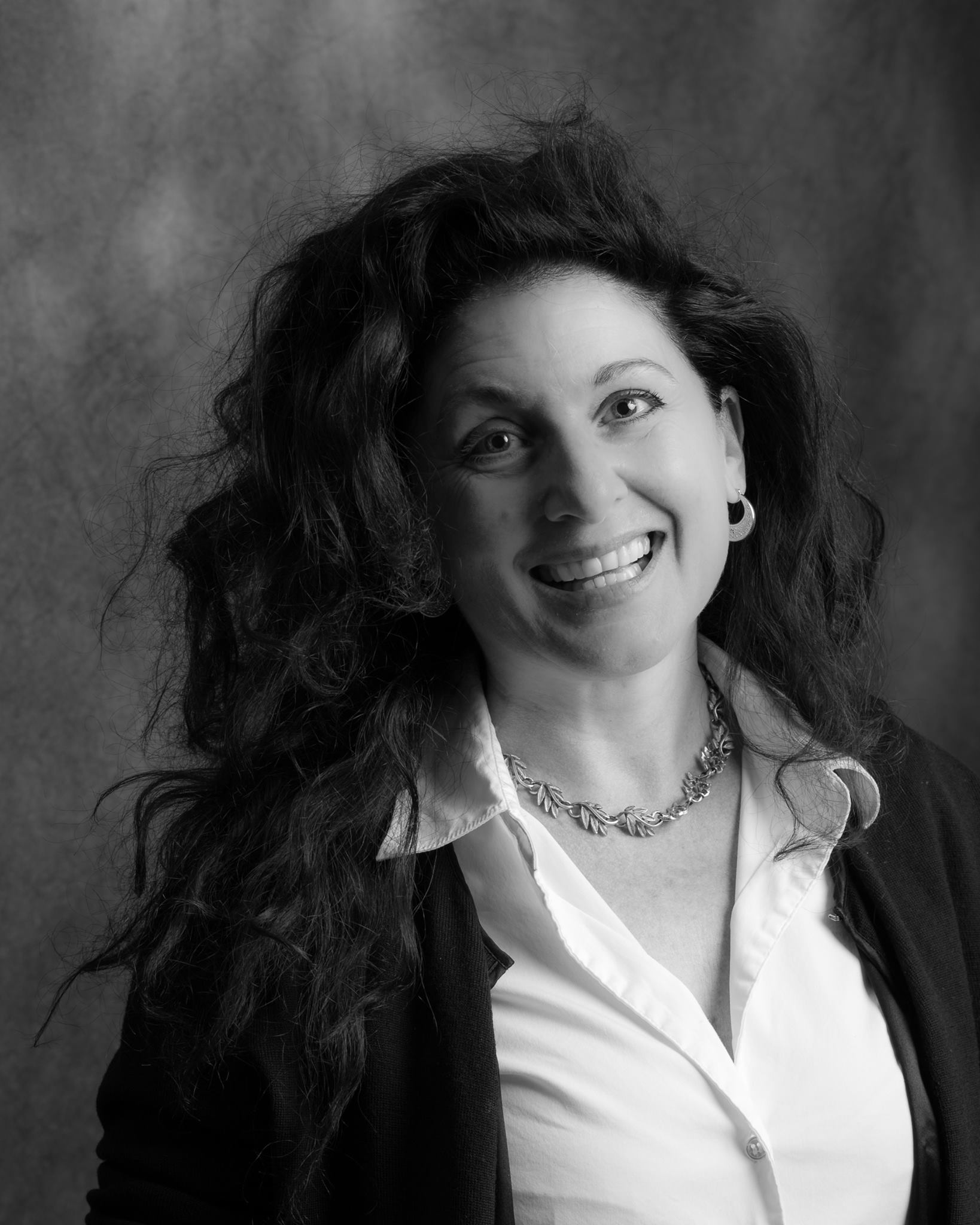
Dr. Paula Bruno, Ph.D., L.Ac., is a licensed acupuncturist and herbalist, an AOBTA-CP traditional Chinese bodywork therapist, a health coach, and an author. She maintains an active and growing practice at her Austin, TX office. Dr. Bruno is also available for distance appointments for wellness consultation or coaching.
In her first career, she was a Spanish professor.
Dr. Bruno’s specialties as a Chinese medicine practitioner include: • Musculoskeletal health (acute or chronic pain relief; Ehlers Danlos syndrome & hypermobility support) • Digestive support, gut health, and weight loss • Aesthetic treatment, including scar revision • Men’s health • General preventive care and wellness support for all persons.
She is the author of Chinese Medicine and the Management of Hypermobile Ehlers Danlos Syndrome: A Practitioner’s Guide. Dr. Bruno also maintains a second website, holistichealthandheds.com, with resources and information curated specifically for people with hEDS and HSD.
When you are ready to discover what traditional medicine plus a vibrant and engaged approach to holistic health can do for you, either contact Dr. Bruno or book an appointment online.
*****

*****
Two Hearts Wellness does not accept paid advertising on this website & only uses strictly necessary cookies. All our copy is generated by human effort (there is no AI slop here!)
Note: Material on this web site site is not intended to diagnose, prevent, treat, or cure any disease, illness, or ailment. A Chinese medicine practitioner in Texas identifies syndrome patterns but does not diagnose illness. Material on this web site does not purport to identify syndrome patterns.
*****

