If you want to lose twenty or more pounds in a month, I am not the health coach for you. If you want to restore your gut health, develop a realistic exercise plan, and learn how to love your body at a healthy-for-you weight that you can achieve and maintain, then yes, let’s talk. Different health coaches have different value systems, approaches, and backgrounds and the purpose of this blog post is to give you some ideas about how to find just the right one for you and your weight loss journey.
So why do you want to work with a health coach? How can you find someone who understands you and can help get you to where you want to go in a healthy and affirming way? What are some of the questions you should be asking and when do you decide that yes, this particular coach is the right one for you?
What’s your why?
There are a number of reasons why a person would want to find a health coach to be there for their weight loss journey. A few of the more common scenarios include: trying and failing and losing your confidence in the process; maybe there’s some baggage about weight and weight loss that you know is unhealthy so you do recognize that you need meaningful support; and/or maybe you are determined, you know you would do better with support, and you’re cutting right to the chase and finding a health coach. Did you get a pre-diabetes diagnosis recently (or a diabetes diagnosis)? Maybe you have an upcoming event, like a wedding or a special trip, and you’ve decided that now is the time…and you don’t have a lot of time to experiment. You need to get to it and be successful and the clock is ticking.
A truly current reason is that you may not want to take GLP-1 drugs. Sure, they seem to be working for celebrities and even maybe someone you know. But you do not want to be on a lifelong drug regimen and you do understand that cycling on and off of the meds is not healthy. You also have read about potential dangers, including gastroparesis, muscle loss, and bone thinning. Sure, the Pharma PR machine wants us all to think that these drugs are simple, available, and they work like a charm, but that does not hold true for everyone. Plus, what happens if you decide to go off the meds? Are you ready to gain back what you lost and then some?
Maybe you are committed to taking the GLP-1 meds but you also recognize that it isn’t safe for you to lose a lot of weight at once (that is where the muscle and bone loss can become an issue–losing weight rapidly and not doing anything to retain muscle and bone strength is where the problems start). You are happy about your weight loss but you want to change your lifestyle to accommodate it, and that is a great reason to work with a coach.
Before you start looking for a health coach, sit down and spend a little time with yourself and figure out your why. That way, when you find that health coach, the how and your why synchronize in a way that sets you up for success.
*****
*****
What’s on their website? When do you say yes to health coaching?
When do you sit down and figure out how?
You may opt to work with a health coach that you are assigned at your doctor’s office. If there is an employee wellness program where you work, that’s also a possible venue for finding a coach. Most of the time, if this is a corporate or medical health coach, the coach’s employer has vetted their credentials and created their social media profile if there is one. That doesn’t make it better or worse. The health coach is a representative of that doctor or the values of the employee wellness program, which can be good or bad, depending. It’s perhaps quicker than doing your own sleuthing for a coach and it is possible that your insurance will cover things.
What about when you look at websites and want a coach you find on your own?
I’ve written this before and I will write it again and again and again: check the credentials. Does the coach’s background match up to their promises? The coach should, at the very least, have a health coach certification. Based on whatever their target market is, you should also be able to discern a connection between what they specialize in and what their certifications demonstrate. That’s when you know you are on track to find the right health coach for you.
Myself, for instance? I am all about healthy weight loss and management, gut health, I have a niche specialty in the realm of Ehlers Danlos syndrome and MCAS, I’m also a licensed acupuncturist and herbalist, and I was a Spanish professor in my first career. I have a lot of certifications that line up with this and I also wrote a book, Chinese Medicine and the Management of Hypermobile Ehlers-Danlos Syndrome (Singing Dragon 2023). If you hop from my blog posts to my credentials page to any of my social media, it’s pretty clear what I do and it’s abundantly clear that there are credentials to match. This is so important.
Credentials aren’t just for uptight people. They are a protection for you. Always check for a coherent narrative regarding credentials when you vet a private practice health coach. This is your health, so why do otherwise?
*****
*****
Red flags: How do you know when to say “hard pass”?
A red flag is a website that is oozing with AI inauthenticity and promising you rapid, effortless weight loss combined with a healing journey for your soul akin to what you could expect after years of therapy and perhaps stomach stapling surgery. Losing weight takes consistency, sustained effort, and the ability to change your lifestyle. A health coach can do all kinds of marvelous things to make this happen with you. A coach can also be a catalyst for epiphanies and other marvelous steps forward, too. But we are not psychotherapists or spiritual gurus and no, it’s not healthy and it’s not realistic to expect to lose twenty pounds in twenty-one days.
And do not even get me rolling on the subject of supplements. A health coach is in no way qualified to direct your supplement regimen and they should not be selling you any, either. If a health coach pushes a line of supplements, that’s a red flag in my book. How you react to a coach who wants you to buy an expensive roster of sups is up to you, but my response would be a hard no.
I once had a personal trainer who insisted on weekly weigh-ins. I objected to this plan because I have some personal experience with disordered eating and I knew that weekly weigh-ins, especially if I was stressed, would not be good for me. The trainer ignored my wishes and had the scale at the ready at each appointment. This lasted about five weeks before I fired the trainer. No means no, and when I said that weekly weigh-in could be dangerous for me, the only acceptable response should have been: “No problem, we won’t be doing weekly weigh-in then. Thank you for clearly stating your boundary.”
On that note: everyone has their own sense of what they feel is a healthy weight and you need to find a coach that agrees with yours. You shouldn’t have to agree with theirs, or have their values imposed upon you.
Personally (and professionally) I don’t think that becoming rail thin is a good goal. I think that food is one of life’s pleasures. I believe that when a person has a healthy gut microbiome, a reasonable exercise program, good sleep hygiene, and a solid understanding of their own food triggers and pitfalls (and what to do about them), then the result will be a healthy weight that is sustainable. To me, at this point in my life and professional career, things like metabolism and gut health matter a lot more than size and shape. What about you? What is important to you?
*****
*****
How now?
As soon as I got a driver’s license, I made a beeline for a local gym. I have no idea why, because I didn’t know anyone who worked out and I didn’t have any specific reason to be interested in doing so myself. I ended up getting embraced by gym culture and pretty much grew up in bodybuilding culture. Almost all of the trainers I’ve worked with in my life have been competitive body builders, aside from two Olympic athletes and the one fitness model (this is the one who demanded weekly weigh-ins from me). Body-building culture, especially competitive bodybuilding, is a whole universe in and of itself. I loved each and every one of my trainers (except the one) but I’m not that person any more.
What about you? Are you a busy working adult who simply wants to achieve a comfortable, healthy weight despite not having time (or interest) in dedicating your life to the gym? Maybe you are trying to avoid your pre-diabetes diagnosis morph into a full-blown diabetes. It could be that you want to drop the excess but maintain a realistic size and/or shape.
One is not better than the other. If you are thinking about getting into fitness competition, then obviously you are going to go with someone who does want the weekly weigh-in and who will be extremely strict with your macros. That’s what it takes to be a fitness competitor, end of discussion. But the person who gets you to the top three at your first competition is not the one who will guide you as you learn realistic, doable health habits. And there is nothing wrong with that. Each coach has their specialty area and each weight loss goal type has its parameters for success.
*****
*****
What we all have in common, though
It doesn’t matter what your goals are or what type of health coach you choose. We have some things in common that hold true across the board. First and foremost: your coach should encourage, inspire, and provide accountability. You may have been wandering around the desert trying to figure out a plan, but once you have a coach, that coach should be creating a plan with you that is unique to you, one that brings out your best.
We also are a sounding board. Part of coaching is helping clients to articulate what they think about their weight (or other health interest). Once expressed, your coach can take your ideas and help you to make them a reality. You are the star of the partnership and the goal is to develop a sense of self-efficacy and self-awareness to go along with your new, healthy weight. You are the driver here, and your coach is your sounding board and wing person. Yes, we bring the expertise and professional-level knowledge, but you bring your heart and your deepest hopes.
Your coach and you are a team, and teamwork makes the dreamwork (clichéd as this sounds). It’s true though!
Are you ready to achieve your best healthy weight by working with a health coach?
*****
*****
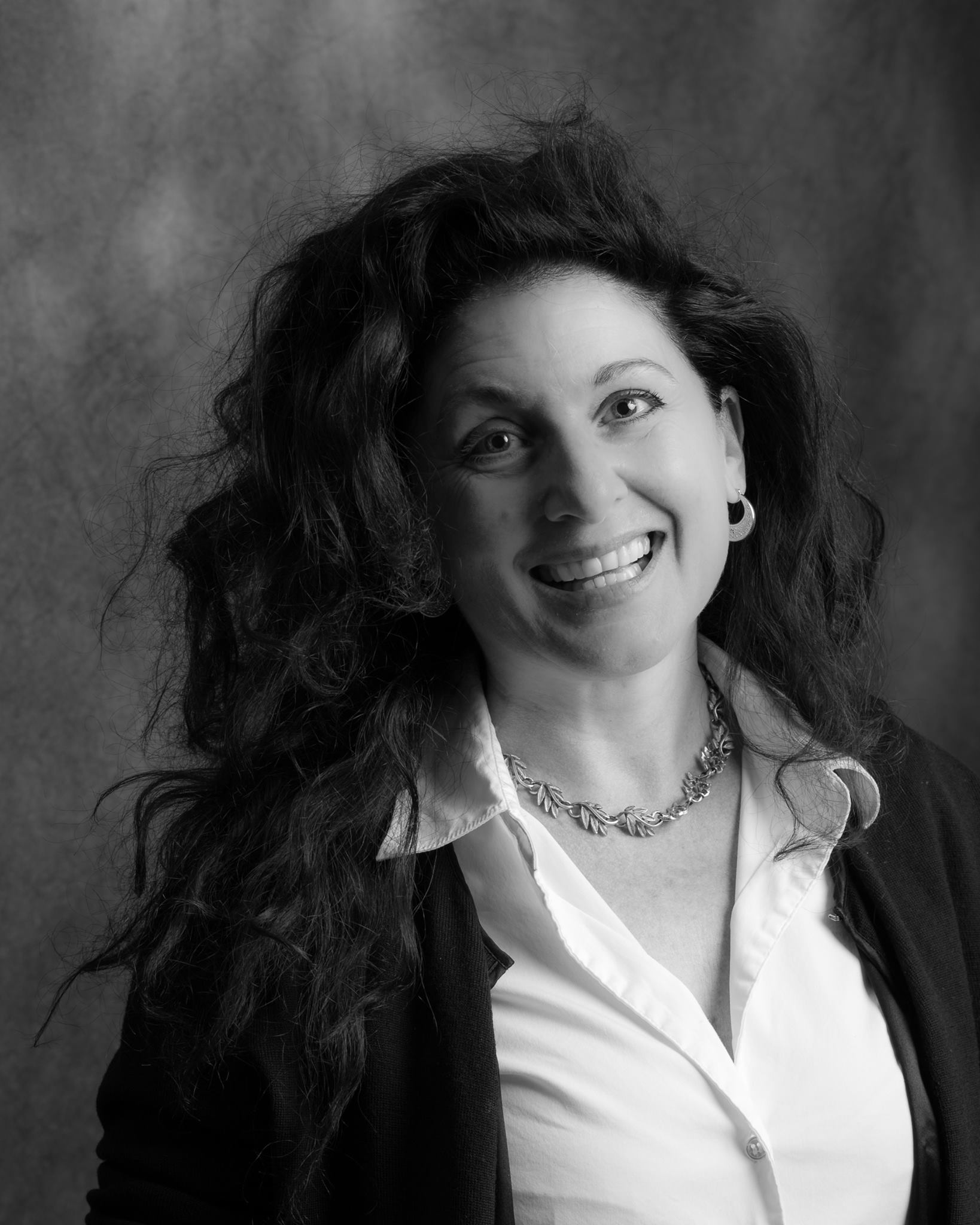
Dr. Paula Bruno, Ph.D., L.Ac., is a licensed acupuncturist and herbalist, an AOBTA-CP traditional Chinese bodywork therapist, a health coach, and an author. She maintains an active and growing practice at her Austin, TX office. Dr. Bruno is also available for distance appointments for wellness consultation or coaching.
In her first career, she was a Spanish professor.
Dr. Bruno’s specialties as a Chinese medicine practitioner include: • Musculoskeletal health (acute or chronic pain relief; Ehlers Danlos syndrome & hypermobility support) • Digestive support, gut health, and weight loss • Aesthetic treatment, including scar revision • Men’s health • General preventive care and wellness support for all persons.
She is the author of Chinese Medicine and the Management of Hypermobile Ehlers Danlos Syndrome: A Practitioner’s Guide. Dr. Bruno also maintains a second website, holistichealthandheds.com, with resources and information curated specifically for people with hEDS and HSD.
When you are ready to discover what traditional medicine plus a vibrant and engaged approach to holistic health can do for you, either contact Dr. Bruno or book an appointment online.
*****
*****
Two Hearts Wellness does not accept paid advertising on this website & only uses strictly necessary cookies.
Note: Material on this web site site is not intended to diagnose, prevent, treat, or cure any disease, illness, or ailment. A Chinese medicine practitioner in Texas identifies syndrome patterns but does not diagnose illness. Material on this web site does not purport to identify syndrome patterns.
*****

