Living a full, rich life starts with being present for all of it, from the ups to the downs and the challenges and to the joys. But what about the very human tendency to lose focus on what is here and now? Being present for one’s own life is a skill that requires cultivation. And, especially for those of us who have experienced hardship (who hasn’t, right?), it may seem like a pointless exercise in self-flagellation to be mindful of and present for a fresh emotional wound or an ongoing trauma or for chronic pain or illness.
Even so, I would argue for presence.
We see the world through our own filters, our lenses, and our frameworks. It can be a real trick to step away from the shaping factors that regulate how we see things in a potentially distorted way and instead just be here now for what is, unfiltered. But when we learn to pause? This is a step towards healing. It’s also a way to find joy, at times, or epiphanies, or peace and a good deep breath of air.
There’s a lot going on today, a lot that is stressful and disturbing and–in some cases–beyond anyone’s control at the moment. If we’re not mindful and enough time goes by, we experience our triggers and start to respond without any reflection at all. Emotional trigger points turn into dense scar tissue. We forget just how easy it was to develop knee-jerk responses that are unthinkingly repeated. We lose touch with what makes us whole. Becoming as healthy as possible and learning to be even-keeled and self-aware is more important now than ever, don’t you think?
Learning to pause makes it possible to change.
How are you today? Can you pause for a moment and check in with yourself? Maybe it would be soothing to rub a gentle circle around your sternum, feeling your chest rise and fall as you breathe. Maybe pressing the soles of your feet into the ground and mindfully relaxing your shoulders, opening your hands, and paying attention to your pelvic floor as you release your grip on your undercarriage is what you need right now.
*****
How can you know if you don’t pay attention?
One reason for learning to pause relates to our need for homeostasis (in other words: not too much and not too little, or–as we advocate in Chinese medicine–to achieve balance). Being present, being able to identify one’s emotions and tend to them, and being able to sit with and hold space for one’s process is healing. You don’t have to be a yoga practitioner or a Taoist monk to agree that calming your nervous system and giving your vagus nerve an opportunity to do its job is a healing action, for example. (The vagus nerve is the longest nerve in your body and it supports your ability to rest and digest).
If you’ve tried meditation or you’re interested in becoming more present for your own life in other ways, you probably already know that this is easier said than done. What resources are available to you? It could be a yoga instructor who holds the space that you need in order to settle your nerves. It might be a personal trainer who helps you to train for and achieve a personal best in an athletic challenge. If you’re not especially in tune with your body, it may be your psychotherapist who gives you the support you need. Whatever you do, it can make a difference when you create a little bit of padding to soften the interstices separating stimulus and response.
Note: By “a little bit of padding” I mean…do you have resources to take care of yourself when you’re triggered? Are you already worn out and on your last nerve, or is your sleep good and your digestion robust? Do you have a mindfulness practice? Are you intentional about your boundaries and wellbeing? In effect: a bit of wellness cushion can protect you from life’s sharp edges.
I’m an acupuncturist and a health coach, so of course I think that Chinese medicine and/or coaching are excellent resources.
Keep in mind that there is more to Chinese medicine than acupuncture. I love acupuncture, don’t get me wrong, and I get weekly treatment. Still, we have more to offer you, from herbal medicine to nutritional support (Chinese medicine is all about gut health) to manual therapy to breath and movement in the form of tai chi and qigong. By now, I think most people have heard of cupping and influencers have brought cosmetic gua sha to the forefront of the public imagination. Have you heard of tui na? Pronounced “twee nah,” this is like massage and acupressure combined, and it’s heavenly.
Different practitioners specialize in different modalities. Speaking for myself, in my practice, I offer acupuncture, herbal medicine, manual therapy (especially tui na, which is truly a gift from Chinese medicine), and health coaching. I also provide guided meditation for patients (these would be the people who have in-person treatments) and clients (these would be my health coaching folks who may not be local and who have Zoom or phone appointments). It’s all about the pause and creating some padding.
*****

Is it time to slow down for a moment and rest inside a healing space?
Hold your horses.
Catch your breath.
Breathe.
Give yourself a chance to interrupt the cycle of stimulus-response.
Pause.
You probably know the quote “Between stimulus and response lies a space. In that space lie our freedom and power to choose a response. In our response lies our growth and our happiness.” Attributed to holocaust survivor Viktor Frankl, it gets routinely trotted out in blog posts like this one and…well. Who am I to disappoint? So here it is.
But, lovely as it may be, it is a declaration that Stephen R. Covey (of The 7 Habits of Highly Effective People fame) found in a book and managed to weave into his perception of Viktor Frankl’s life philosophy.1 Despite its uncertain provenance, this saying caught on and has lasted, probably because anyone reading it may see a grain of truth–or at least hope–in its assertion that, no matter what, we all have an opportunity to choose.
And yet… there is a lot to unpack about this hoary adage. For one thing, it implies that if a guy in a concentration camp can do it, so can you…no matter what your obstacles are, or how long-term your suffering has been and may continue to be. But Dr. Frankl was a neurologist, psychiatrist, and philosopher and Covey, given his position in life, had a lot of resources. Not everyone has a trained scholar’s mind or all the guard rails and options that Mr. Covey enjoyed.
I certainly do have thoughts on this but they’d require either a series of blog posts or a book.2 But yes, that moment of pause is crucial to what happens next. Yes. And yes, it is a worthy endeavor to pause and to truly think about what has occurred and about what you want to happen in consequence. But it’s not always quite so easy and you may need to find some support as you figure out how to create a bit of padding in the form of an intentional self-care and mindfulness practice for that in-between moment. And doing so, in fact, is realistic in a way that the above-shared blithe assertion regarding choice seems to ignore.
Stimulus-response patterns can be challenged and maybe even changed when we are able to mindfully reflect on what is going on around us. It can also create an opportunity to figure out what’s needed in order to heal, and if healing is not possible, at least then to become whole. (And there is a difference. We cannot always heal. Some of us live with chronic conditions that are not fixable, per se. There are tragedies in this life that leave scars that will never fade.)
*****

Wholeness is not exactly the same as healing but it’s close.
So where to find wholeness? What does this mean? One thing that Chinese medicine does so very well that we don’t necessarily see in biomedicine is connect the mind and the body. Sure, contemporary popular trends tout “mind-body wellness” but that’s advertising and marketing. Cartesian mind-body dualism still abides in allopathic medicine and that, in and of itself, can be a roadblock between a person and their wellness goals.
Point being? As a person learns to cultivate self-awareness and strategies for that pause, it truly is valuable to take into account one’s overall wellbeing. A body’s best version of health (and that is different for everyone) goes in tandem with the mind or spirit or soul (whichever speaks most to you). Bottom line: what you think and feel and believe is not separate from your physical container. On a perhaps more prosaic level, it is true that good sleep and a healthy gut microbiome can make up for a lot when all around you is rocky.
Integrating one’s scars or damage and becoming a harmonious self at peace with what-is constitutes wholeness.
Becoming able to reconcile injury and work around it, not denying it and definitely not wallowing, is wholeness. The capacity to hold awareness and a healthy level of boundary around a certain topic or experience creates wholeness. Depending on the degree of trauma or suffering, this may be something to work out in your psychotherapist’s office, but even then? It can help to assess your overall wellbeing and bolster your physical health and healthcare daily practice too. Not everyone can achieve perfect health (actually, perfect health is probably not realistic for anyone who didn’t win the genetic lottery) but every one of us is capable of building one’s own unique version of wellbeing.
Questions you will hear at your acupuncture appointment include (but definitely are not limited to): Are you sleeping well? Do you dream? What about your bowel movements? Are you craving sugar? What about your mood? Putting all of this together, then, is how we approach your health-building project. Your practitioner of Chinese medicine is not your psychotherapist and is not qualified to guide you into making meaning of your suffering or scars…but we do nurture your overall wellbeing so that your health journey, both mental and physical, can move forward in a non-grasping way. In Chinese philosophy, there is a term for that: wu wei.
Wu wei is more than just an mind-set. It’s a life philosophy.
Chinese medicine is rooted in a tradition that advocates for this via the precepts of Taoism and wu wei, or non-action. Do you find yourself constantly fighting against forces beyond your control? Becoming whole is not a matter of white-knuckling your way through life. What would happen if, during your moments of pause and reflection, you found it available to move with the current and create change in a non-attached way?
Wu wei does not mean doing nothing or capitulating to whatever comes down the pike. Instead, it’s an argument for pausing…reflecting… and not grasping a preconceived outcome. It’s a practice of knowing one’s own self within one’s environment and of navigating currents with grace. I think it also offers a realistic and mature perspective on the nature of the above-quoted maxim regarding the space between stimulus and response.
This is a complex subject, obviously, and too much for one blog post.3 My inspiration for once again proposing it comes from my first career, which required considerable thought and a lifetime of studying, and my life’s work now, which asks of me that I pay meaningful attention not only my own health but also to that of my patients and clients. I see how global events like the COVID pandemic have affected people (myself included) and I am deeply concerned by how the larger currents of history are unfolding. If there was ever a time to pause, reflect, and cultivate healing and inner strength…it is now.
What, dear reader, do you think…and what, in response, will you do?
*****
*****
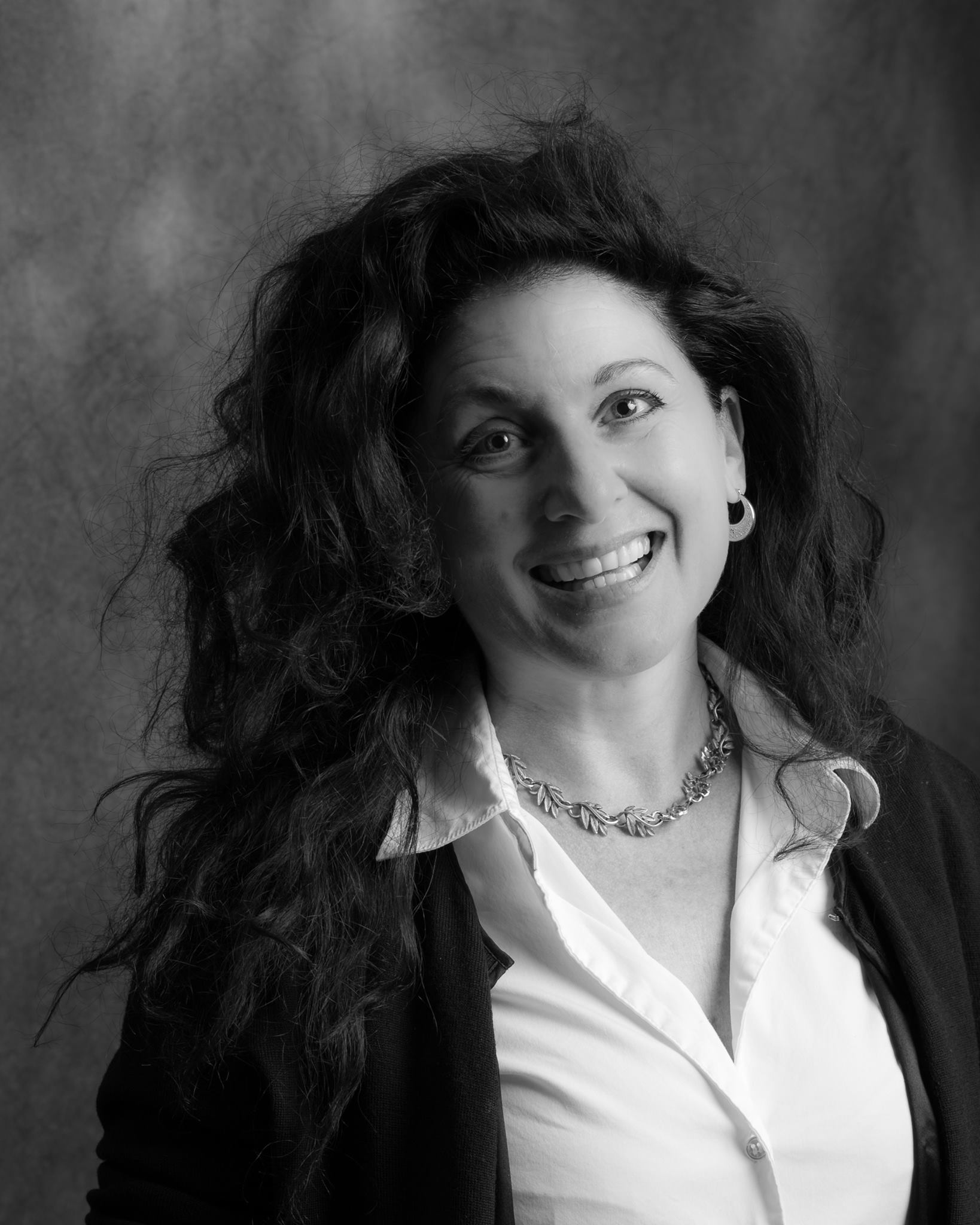
Dr. Paula Bruno, Ph.D., L.Ac., is a licensed acupuncturist and herbalist, an AOBTA-CP traditional Chinese bodywork therapist, a health coach, and an author. She maintains an active and growing practice at her Austin, TX office. Dr. Bruno is also available for distance appointments for wellness consultation or coaching.
In her first career, she was a Spanish professor.
Dr. Bruno’s specialties as a Chinese medicine practitioner include: • Musculoskeletal health (acute or chronic pain relief; Ehlers Danlos syndrome & hypermobility support) • Digestive support, gut health, and weight loss • Aesthetic treatment, including scar revision • Men’s health • General preventive care and wellness support for all persons.
She is the author of Chinese Medicine and the Management of Hypermobile Ehlers Danlos Syndrome: A Practitioner’s Guide. Dr. Bruno also maintains a second website, holistichealthandheds.com, with resources and information curated specifically for people with hEDS and HSD.
When you are ready to discover what traditional medicine plus a vibrant and engaged approach to holistic health can do for you, either contact Dr. Bruno or book an appointment online.
*****
Two Hearts Wellness does not accept paid advertising on this website
Note: Material on this web site site is not intended to diagnose, prevent, treat, or cure any disease, illness, or ailment. A Chinese medicine practitioner in Texas identifies syndrome patterns but does not diagnose illness. Material on this web site does not purport to identify syndrome patterns.
*****


*****
- “The true origin of the quotation is somewhat involved. To put it shortly, the author Stephen R. Covey used to recount that he found the quote in a library book and thought it fitting to describe Frankl’s views – but he did not note down the book’s author and title” (Alleged Quote). ↩︎
- In my first career I was a Spanish professor and my area specialty was national trauma (civil war, dictatorship, genocide, and torture) and how it filters through art and literature. I never did like this declaration regarding the pause between stimulus and response and was not terribly surprised to find out that it didn’t belong to Viktor Frankl after all. Because I was in Spanish with meaningful ties to Italian, I am considerably closer to the work of Primo Levi. His message is not one that could be readily tied to upbeat statements about stimulus and response. Instead, he unflinchingly and with haunting prose, delves into the subject of shame and of remaining human despite being in places that lack humanity. A thought-provoking article comparing Levi, an Italian chemist whose writings about his time in Auschwitz will sear into your soul should you opt to read them, and Frankl is “Revisiting Preempting the Holocaust: Frankl versus Levi.” Long story short? The implication that if a guy who suffered in the concentration camps had a great attitude you should too (or you’re a whiner) is bollocks on so many levels. I do not think that Stephen Covey did Viktor Frankl any favors by linking this quote to him. ↩︎
- The theme of gracefully going with the current while maintaining boundaries and a sense of efficacy has been on my mind quite a lot lately. One of my more recent blog posts, “Wellbeing and Fortune’s Wheel: Some Things to Consider About Change,” considers the Chinese concept of wu wei alongside the Italian similar (albeit social rather than philosophical) concept, sprezzatura. ↩︎
 Two Hearts Wellness