Taking care of yourself during extreme weather requires creativity and self-awareness. One thing is to have a hot summer followed by a cool and rainy fall. Quite another is to endure day after day of 100-plus degree heat interspersed with torrid rain and baseball-sized hail. Next, more heat and after that, huge dips in temperature that swing right back up overnight. That’s us here in Texas, anyway, and–looking at the news–it is clear that quite a few communities in different regions are experiencing extremes of heat or other other variations of weather challenges at this time.
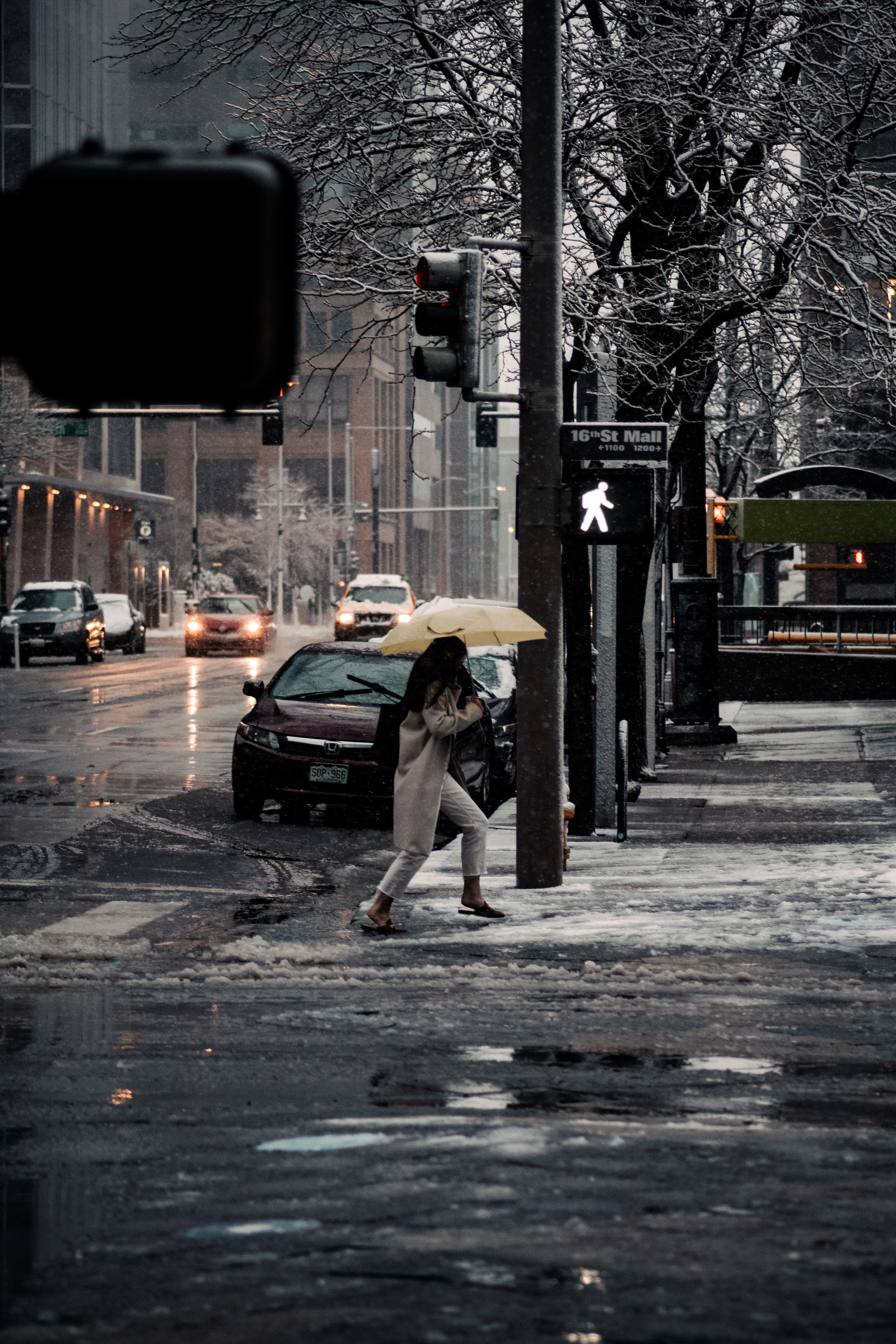
I have lived in a number of places with vivid seasonal shifts. Graduate school in Bloomington, Indiana was quite an adventure. My first year there, it snowed so hard that they closed the school for the first time in something like ten years. Confession: I was a graduate student and I taught Italian then. I still remember that day. Our classroom was freezing and the students huddled together like puppies so… I let them go early. Yes, I did. Of course, I made everyone promise not to tell on me, because I didn’t have the authority as a graduate student to just cancel class that way, but I couldn’t keep them there in that cold room. And I wasn’t wrong, because all classes were cancelled soon thereafter. I later taught at Bucknell University in Pennsylvania and Colorado College in Colorado Springs so I’ve experienced other wild snow storms. I was here in Austin for the big freeze of 2021, for that matter.
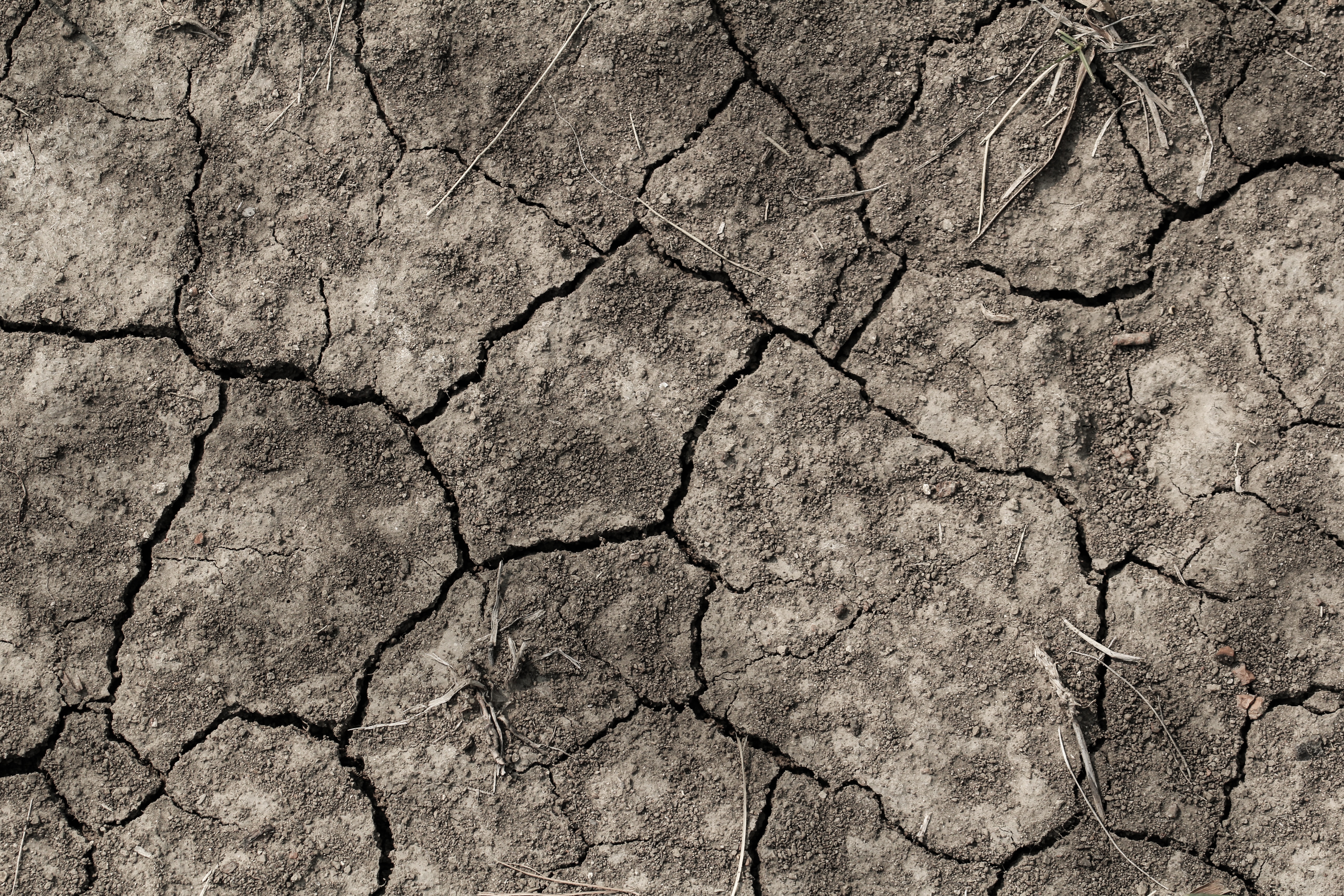
And hot weather here in Austin…oh, Lordy, but we do get the hot weather. This summer was the hottest on record and the driest since 1910.
What’s happening now (like the aforementioned freeze of 2021 or the current seemingly endless summer that is 2023) is more intense and harder to avoid, I think. The weather is beginning to be a factor for all of us in ways that we might not have considered until these past couple years. Not only that, but it is a fact, and worrisome, how repeated shifts in weather patterns solidify into climate change. There is a difference between bad weather and actual climate change. And it seems that the extreme weather events that were once rare are beginning to be a new normal, one that we’ll all need to learn to navigate.
How can you nurture your own wellbeing while doing your part to protect the planet too? I think there is a four-fold strategy that we all can take, and this includes acknowledging the need to plan ahead and doing so in a meaningful way. It is also a matter of committing, each and every one of us, to doing our part to take care of our natural resources. We need to focus on our mental wellbeing. And finally, I think, it’s useful to know how Chinese medicine can help you to be your healthy, calmest self, even under pressure.
Planning ahead and having supplies:
Are you prepared? If you live in a small apartment and don’t have space for a generator, can you at least get yourself a portable power station? (I get nothing from my recommendation, but the one I linked here is what I have and I like it a lot). Another gem? The LED camping lights. They are amazing and they last forever, plus they are solar rechargeable. During the freeze of 2021, many of us were stuck without power and unable to get out of our homes because the roads were iced over. It’s smart to have non-perishable food for just in case, and blankets, and other supplies. It is useful to have a plan ahead of time.

Are you able to access a support system if your power goes out for a week or more? What will you do if this happens?
Not to be dramatic, but these are things we all need to consider. There’s no sense in becoming paranoid or obsessive, but pretending like this will never happen where you are is not realistic either.
One thing that we all need to do is have good weather resources at hand. Do you know where to check if you need up-to-the-minute news? Twitter (uh…”X”) is still a useful place for weather news at the time of this blog post and my favorite account to check is Travis County Severe Weather (you can find them on Twitter, Facebook, or at their website). One thing I like about them a lot is that they’re responsive. If the weather is all over the place and I ask a question on Twitter, they answer. They also have great information on their website.
Do you have a trusted resource for up-to-the-minute weather reports? If the answer is no, then now is the time to look for one.
Getting real about climate change:
If you’re reading this blog post you probably are already on board with the notion that climate change is real. I’m guessing that people who don’t “believe in” climate change probably don’t care what a Spanish professor turned acupuncturist and author has to say. Even so.

If you feel less helpless when you actually do something, then it could be useful to ask yourself just what you are doing right now.
Me, I drive a small car that doesn’t guzzle gas. I am mindful of my water use and I turn off lights when I’m not using them. I avoid single-use plastic bottles. I adopted an orphaned elephant baby via the Sheldrick Wildlife Trust and I have committed to donating a small sum each month to different environmental groups or to organizations that support worthy causes. It’s a habit by now to reduce waste, reuse when possible, and to recycle. It’s not much, but the day to day activities add up, and I pay attention to political shifts. I also give my consumer dollar to small businesses and ones that model respect towards the environment.
What about you? Can you review your habits, from the daily actions to the giving choices, and make shifts based on a commitment to the larger environment? Even if you’re not in a position to make large changes right this minute, you can always note where it is possible to at least begin to alter your course now but with an eye to the future. What do you think?
Each and every one of us has something to contribute.
Not everyone is going to be as outspoken or as dedicated as Greta Thunberg but she has a lot of inspiring things to say that might encourage you. We all need to do our part. What is yours?
Tending to your mental health
It is normal to be distracted by the click-worthy news or the large-scale events. Chaos at Burning Man, extreme weather outcomes (hey, right here in Texas…), and any of the recent wildfires pull our attention and add to what psychotherapy is beginning to call eco-anxiety. We might also begin to experience secondary trauma if we watch the news and begin to develop chronic anxiety as a result of what we see, especially if we are empathic people who take on others’ pain.

The broad scale of things becomes even more sharply focused if you live in a region that has experienced one dramatic incident after the next. Here in Texas, for instance, you probably are aware of how panicky and anxious you feel when the lights go out or ERCOT, the system that regulates our power grid, sends yet another note asking us all to conserve energy.
The big freeze of 2021 left scars on so many of us here in Austin. I just now reread my blog post, “Taking Care in Texas: Some Thoughts On Recovering After The Freeze,” and am honestly kind of surprised that I was able to come up with such lovely advice at a time when I was scrambling for food like everyone else who had been shut in for a week with no power and no way to get to my local grocery stores.
Looking even further back on my blog, I came across an essay I wrote about volunteering at the Austin Convention Center, in 2017 after Hurricane Harvey (“Tui Na in Service: Traditional Chinese Bodywork Therapy and Hurricane Harvey“). What strikes me now as I reread, is my description of walking towards the Center with my rolling suitcase filled with supplies. Originally, this was going to be where the refugees were to be housed, though later that changed. I wrote, “People stared at me as I stood there on the corner. I felt ashamed, and surprised by my shame, when I realized that in their eyes I must be a refugee with no home and nowhere to go but a shelter.” By the end of the day, I wrote, I was too tired to care what anyone thought but…well, take a look….It was certainly a day, and going back to that essay from six years ago brings home to me today the stress on mind, body, and spirit that so many of us suffered during and after that hurricane.
It’s important to remember that with or without specific traumatic stimuli, the mere fact of extreme weather can be challenging to a person’s mental health.
Any extreme can place a burden on one’s mental state. Being cold and worried about whether your car will start or you’ll be able to drive to work safely is wearying after its own fashion. On the opposite end? Well, when it’s hot for days on end, for instance, you might find yourself feeling scattered or short-tempered or easily agitated. Anxiety, being unable to fall asleep, and reacting to your body’s inability to regulate its temperature by feeling stressed or irritated are all common experiences during long-term heat waves. Heat exhaustion isn’t just physical, if you ponder it.
Long-term alterations in weather affect us in a different way than the big dramatic incidences. Extreme weather changes the way we live. A healthy lifestyle includes exercise, for instance, but if you can’t go out and you’re not interested in the gym, then what? Being inside all the time is not necessarily conducive to optimal wellbeing. Lack of physical exercise leads to health issues both physical and psycho-emotional. Social isolation, especially after these past few years, is yet another burden on our emotional wellbeing. Our minds, bodies, and spirits are all affected by ongoing extremes.
Dealing with extreme weather via Chinese medicine
If you’ve never tried Chinese medicine, now is a great time to start. If you know it and love it, it might expand your horizons to ask yourself how you will make use of it in this changing climate of our world.
Chinese medicine sees the person as part of their environment, and the human body as an entity always engaged with its surroundings.
As a practitioner, it makes a difference to my patients when I take into account the ways that environmental shifts affect their wellbeing. Heat is generated in the body by metabolic process and by the external environment. Our body’s natural cooling mechanisms are finite, and external temperatures can overwhelm them. When this happens, we are vulnerable to a range of ill effects that can be directly attributed to our environment. Got heat rashes or you feel swollen, puffy, and uncomfortable? We can help to relieve these issues.
The same can be said with respect to extremes of cold. If you are someone whose body aches when it’s cold out, it might interest you to know that we have a number of ways to help you on this end of the spectrum as well. If you don’t want to try acupuncture, that’s just fine! Take a look at this blog post and discover the different ways your practitioner can help you to feel your healthy best. You have options when you experience Chinese medicine, I promise!
It’s not just the temperature, the hot or the cold, although of course this aspect is the foundation. It’s also dealing with one’s reaction to being triggered by yet another weather event when, maybe, you haven’t quite recovered from the previous one. What about your psycho-emotional wellbeing?

What about headaches, insomnia, or anxiety? Well, we have answers for that too. The issues that tend to pop up when a person is stressed and out of sorts are all things a Chinese medicine practitioner will routinely treat. Most of us have our favorite starting points (one of mine is gut health) but our attitude towards mind-body wellness is rooted in all that we do.
What about allergies? I don’t know if you’ve been keeping up with the news as far as allergies go, but if you missed it, my blog post “Decongestant Ingredient Phenylephrine Doesn’t Work Says FDA: Key Points to Ponder” outlines what we can do for you if your usual go-to over the counter medication is one of the ones now deemed worthless. If you are finding that you are hypersensitive and/or long summers or endless winters leave you with a nose that won’t stop running, well…we have options for you in Chinese medicine. You don’t have to live with allergies and you have options beyond what is peddled by drug companies.
Global change begins with individual change. Taking account of our own wellbeing and then casting our gaze around us is that much more important today, don’t you think? The pandemic created a seismic cultural shift. The world around us all is changing in ways that maybe nobody would have predicted were in not for COVID. Extreme weather and our collective need to respond to it is but a part of a larger over-all picture of change, not all of it welcome or easy to handle.
Our big challenge, then, is to heal ourselves, our communities, and our great big world.
Start small, and start with yourself. Take good care, and if you haven’t already, try holistic health practices, like acupuncture and realistic nutritional therapy and regular body movement or mindful breathing. Remember to rest. Pick your battles wisely and move forward with dedication and purpose.
You can do it. There are options. You have options.
Are you ready to take healing steps towards a healthier planet and a more vibrant and grounded you?
***
***
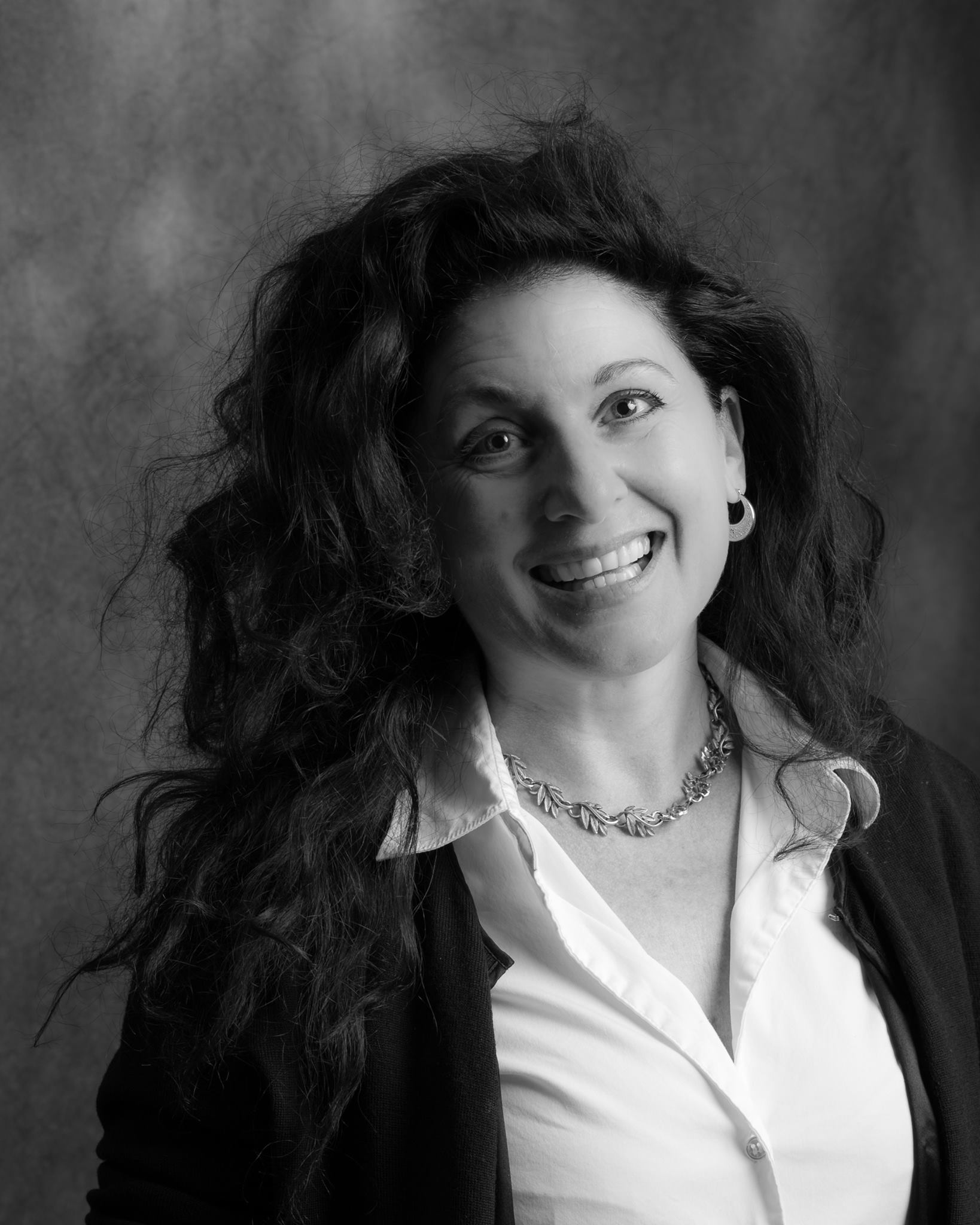
Paula Bruno, Ph.D., L.Ac., is a licensed acupuncturist and herbalist, an AOBTA-CP traditional Chinese bodywork therapist, and a wellness educator and health coach. She maintains an active and growing practice at her Austin, TX office. Dr. Bruno is also available for distance appointments for wellness consultation or coaching.
In her first career, she was a Spanish professor.
Dr. Bruno’s specialties as a Chinese medicine practitioner include: • Musculoskeletal health (acute or chronic pain relief; Ehlers Danlos syndrome & hypermobility support) • Digestive support, gut health, and weight loss • Aesthetic treatment, including scar revision • Men’s health • General preventative care and immune support for all persons.
She is the author of Chinese Medicine and the Management of Hypermobile Ehlers Danlos Syndrome: A Practitioner’s Guide. Dr. Bruno also maintains a website, holistichealthandheds.com, with resources and information curated specifically for people with hEDS and HSD.
When you are ready to discover what traditional medicine plus a vibrant and engaged approach to holistic health can do for you, either contact Dr. Bruno or book an appointment online.
~~~~~

~~~~~
Two Hearts Wellness does not accept paid advertising on this website
~~~~~
 Two Hearts Wellness