Did you know that Chinese medicine has a lengthy tradition of dream interpretation as a health tool?
Dreams are powerful. If you think about them through the lens of Freud and Jung, then your nightly adventures while you sleep are the expressions of the subconscious mind. When you dream, you’re working out traumas and other issues that may or may not be lurking beneath your waking awareness. If you look at them from the perspective of biomedicine, vivid dreams can be a marker of potential health problems. Many cultures recognize the spiritual value of dreams and their potential for esoteric exploration. Popular culture revisits Jung when touting the value of shadow work and dreams, and anyone can take their nocturnal stories and create art from them.
Yes, dreams are powerful.
Chinese approaches to dreams are not radically different from the above-written. The notion of dreams for giving clarity to unresolved concerns was recognized as far back as the time frame of Imperial China. For the literati who could read them at the time, dream books provided interpretation and divination of culturally relevant nighttime visions.
In Chinese medicine even today, we view dreams as an expression of the spirit associated with the Heart organ, which is known as the shen. They also can reflect the narratives of other organs as well. According to Chinese medicine, if we listen to our dreams and hear their messages, either on a medical or a spiritual level, we can become healthier and more at ease during our waking life.
Before delving into Chinese medicine’s approach to dreams, I’d like to ask you to think about your own for a moment. Do you dream? Are they pleasant, or not? Things to consider can be whether the dreams are recurring, whether they distress you, and how vivid your dreams are…do you wake up feeling like you just went to a 3-D movie or are they somewhat flat? What about smells and sounds and textures?
It may be useful to think about your dreams for a moment, and see if you can figure out how they contribute (or not) to your day-time wellbeing.
*****
Dreams and shadow work
Popular culture has brought shadow work to the forefront of health trends and dreams are a part of this narrative. Do you experience repetitive patterns that show up in your dreams and in your waking life? Maybe you have decided that you are ready to get unstuck and out of a repetitive rut. You want to resolve your eternal why (aka “Why did I do this again?”). Dreams can provide access to shadow and dream analysis can be a part of your healing journey.
Inner peace can come when we seek out the disowned, repressed, and/or negative parts of us that exist beneath our conscious awareness. These can be generally frowned-upon emotions, like rage or greed or selfishness or no-no things according to your culture or family (“nice girls don’t get angry” and “boys don’t cry”). Anything that contradicts our chosen identity ends up on the dark side of our individual moon, aka the personal unconscious. Until this unknown is integrated into the acknowledged self, a person may poke at their shadow, usually by creating the same problem over and over and over again or by projecting the disowned trait onto others.
Becoming whole and healed is a project that includes identifying the shadow and harmonizing the self to integrate both the known and the newly-identified. Doing so can put a stop to self-sabotage, quiet a chronically critical inner voice, soften the edges of anxiety and depression, and/or potentially unwind conflictive patterns in relationships. Your practitioner of Chinese medicine can support you in this journey. Acupuncture, herbal medicine, bodywork, and more, including dream interpretation, can help you to become more present and mindful as you grow in healthy self-knowledge and awareness.1
*****
Dreams and creativity
Abiding by the notion of dreams as expressions of our innermost selves gives you a lot of options for your dreamwork. Maybe right now you’re not feeling called to address your shadow. That doesn’t limit your ability to find creativity and spark in your dreams. Do you like to journal or draw? What connections between your daily life and your dreams can you identify? Are there areas that call for healing? What about the places that are maybe tender and inviting to gentleness?
If this intrigues you, you might want to start by becoming aware of your dream patterns. What happens if you over-eat before bed, or have spicy or greasy food? When you have lots going on and pressure from people around you or certain situations, do you respond with a recurring dream? Maybe you find that you are discovering and uncovering glittering gems of wisdom about yourself and the world you live in by following the breadcrumb trail painted by your dreams.
So what do you think about your dreams?
Dreams and health
Maybe you are less interested in dreams and the psyche and more intrigued by what dreams have to say about you and your overall wellbeing. This is equally a valuable focus. Just as Western medicine views dreams as potential clues to overall health, so does Chinese medicine, and it has viewed dreams thusly for centuries.
In Chinese medicine, we will initially consider the Heart (capitalized to indicate the Chinese umbrella category that encompasses both organ and its associations) and the shen, which is somewhat akin to the spirit, or your inner spark. Depending on your dreams, we might address imbalances in other organs or systems. A person who has frightening nightmares might need support in their Kidneys, and one who grieves might find relief when treated for Lung health. It all depends on the dreams and how they fit into your larger picture. Someone who worries and has chronic stress that expresses in dreams may find their acupuncturist resolving their issues by addressing the Spleen and its pair, the Stomach.
But make no mistake: dreams give many clues about overall wellbeing and if you listen to yours, you can learn about your health in ways that you might never have considered. The connection between dreams and gut health, for instance…oh, now that’s a whole new blog post.
*****
Long story short…
Are you interested in learning more about how to integrate dream work into your holistic health journey? Different practitioners will have their own modalities and approaches. In my practice, I offer both in-office Chinese medicine and health coaching that can be either virtual or in person. Someone who comes to see me will probably be there for acupuncture treatment, and we might also include LED light therapy or tui na, which is a manual therapy somewhat like massage.2 Both in-person and virtual visits will place the dreams as a center to anything from gut health to lifestyle shifts, depending. Working with dreams can be a fruitful beginning to profoundly healing change.
If you want to learn about yourself, learn about your dreams. If you want to resolve common issues like insomnia or night terrors, pay attention to how sleep and dreams fit into your bigger picture of health. Interestingly, someone who doesn’t remember their dreams might find that acupuncture treatment inspires vivid dreams. Either way, you learn about your dreams by working with a practitioner who can interpret them or who will use them as health clues for your benefit.
When we know better, we do better. One of the milestones of life is the moment of realizing that you actually do know yourself. Part of that journey of self-discovery is, I think, spending at least some time with dreams and the messages that they send. Self-knowledge is power and your dreams can be a great teacher as you develop a practice of being genuinely present for yourself.
What do you think about your dreams?
*****
*****
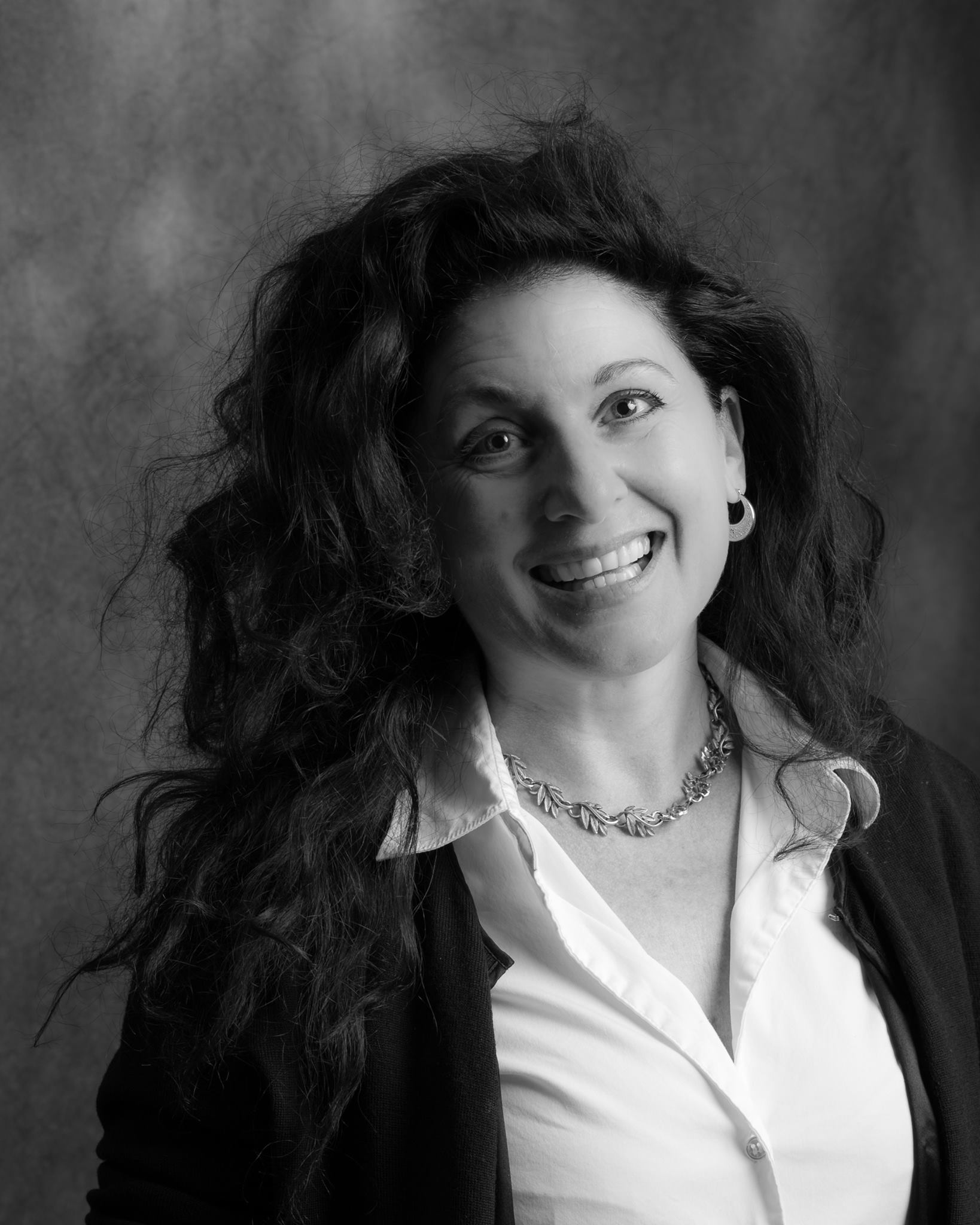
Dr. Paula Bruno, Ph.D., L.Ac., is a licensed acupuncturist and herbalist, an AOBTA-CP traditional Chinese bodywork therapist, a health coach, and an author. She maintains an active and growing practice at her Austin, TX office. Dr. Bruno is also available for distance appointments for wellness consultation or coaching.
In her first career, she was a Spanish professor.
Dr. Bruno’s specialties as a Chinese medicine practitioner include: • Musculoskeletal health (acute or chronic pain relief; Ehlers Danlos syndrome & hypermobility support) • Digestive support, gut health, and weight loss • Aesthetic treatment, including scar revision • Men’s health • General preventive care and wellness support for all persons.
She is the author of Chinese Medicine and the Management of Hypermobile Ehlers Danlos Syndrome: A Practitioner’s Guide. Dr. Bruno also maintains a second website, holistichealthandheds.com, with resources and information curated specifically for people with hEDS and HSD.
When you are ready to discover what traditional medicine plus a vibrant and engaged approach to holistic health can do for you, either contact Dr. Bruno or book an appointment online.
*****


*****
Two Hearts Wellness does not accept paid advertising on this website
Note: Material on this web site site is not intended to diagnose, prevent, treat, or cure any disease, illness, or ailment. A Chinese medicine practitioner in Texas identifies syndrome patterns but does not diagnose illness. Material on this web site does not purport to identify syndrome patterns.
*******
- Please note: there are degrees of seeking out your shadow. It may be something you can do with relative ease and a series of good journal prompts. It could be like ripping the bandaid off a wound. If you are uncovering trauma, it is usually best to work with a licensed psychotherapist. Your acupuncturist or health coach can support you in either instance, either by focusing on your wellness (for instance, your gut health or if you’re experiencing insomnia) or by providing a perspective on dreams and how to integrate them into your health that complements what you are doing with your therapist. ↩︎
- There are a bunch of blog posts about tui na scattered about both of my websites (this one, and my niche-specific site dedicated to Ehlers Danlos syndrome, holistichealthandheds.com). Pronounced “twee nah,” the words mean “pushing” and “grasping” and though it is akin to massage, there is so much more to it. For a few recent posts, see “Chinese-Style Abdominal Massage Can Change Your Life (Seriously, It’s Amazing)” and “Chinese-Style Facial Massage Is Heavenly. True Fact.” From my EDS site, the currently most recent post looks back at an essay I wrote on the subject in 2017: “‘Ehlers-Danlos Syndrome, Tui Na, and You’ Revisited (Some Thoughts on the OG Blog Post).” If you’ve only tried acupuncture and never this modality, you are definitely missing out on a gem of Chinese medicine. ↩︎
 Two Hearts Wellness