Anxiety. Has it started to affect your mood and your physical wellbeing? If you’ve never tried it, you may be intrigued to learn how acupuncture can be a resource for you in that case. Yes, Chinese medicine (and not just acupuncture, either) can help you to enjoy your life once again.
How are you feeling? Maybe you just can’t catch a breath. Your nervous system is wound up, and so is your ribcage and diaphragm. Your chest feels be tight and maybe you have the sense of mild air hunger. Is restorative sleep an impossible dream? Racing thoughts get in the way of falling asleep or vivid dreams and cortisol spikes cause you to wake up every hour or two. Your digestion could be the flashing distress signal and any number of things can be going on, from bloating and gas to IBS. Maybe you’ve suddenly developed food sensitivities that you never had before. On the subject of sensitivities? Things get to you more quickly than they used to and your emotional reaction to life’s daily annoyances has become disproportionate.
Long story short? Anxiety has left you in stuck in survival mode. You’re here because you’re ready to do something meaningful about it so that you can finally relax and enjoy your life again. Well… keep reading and see what resonates for you.
*****

Rest and reset via your psoas muscle
That big muscle that connects your back to your pelvis and legs has a lot to do with emotional wellbeing. The psoas is involved in movement patterns (including fight or flight), and being in chronic survival mode can make it become tight to the point of impeding qi and Blood flow, or–if your preferred language is biomedical–causing nerve impingement and reduced blood perfusion. Inaction is problematic too. A person immobilized by a freeze response or just not moving a lot because they have a desk job can end up with a weak, tight psoas. Either way, a distressed psoas can cause physical pain and/or it can be at the root of shallow breathing and lowered oxygen intake, sleeplessness, digestive problems, and/or chronic anxiety.
Acupuncture is great for your psoas. You can also get cupping on your low back or on your legs to enhance blood flow and muscle relaxation. Some practitioners offer the Chinese-style manual therapy called tui na (pronounced “twee nah”). I do, and I offer a tui na foot protocol, similar to reflexology, that is especially valuable for anything anxiety-related. During treatment, you may find that you release muscle tightness and unwind deeply-held tension patterns. Your psoas and your brain communicate, and your body’s new message is that you can relax. Breathe, and relax.
*****

Digest via gut restoring treatment
Resting is good, but what about digesting? Your psoas has a role in both of these, and so does your vagus nerve. This is the longest nerve in your body and it plays a key role in your ability to rest and digest. In effect: when it’s soothed and humming along well, the rest of you can do the same. During your acupuncture treatment, we can make this happen. Chinese medicine has specific points that have been shown to directly communicate with the vagus nerve. Other points work to calm your system so that this nerve gets its own reset in response. Benefits can also include better gut motility and/or reduced inflammation that lead to a calmer nervous system and reduced anxiety for you.
Depending on your practitioner, you may also be given a prescription for Chinese herbal medicine or–if that doesn’t appeal to you–some valuation information about nutrition. Gut health is a staple focus of Chinese medicine and we have lots of options to nurture yours (including abdominal tui na). And with the focus on your vagus nerve, your body can create a healthier and soothing narrative. In essence, it is that yes, you can rest and digest.
*****

In the realm of the spirit (Shen)
The shen in Chinese medicine is analogous with the mind, but there’s a bit of an extra layer to it here. In essence, the term also refers to one’s spirit or inner spark. It’s your energy level, that look in your eyes, your intuition, your inspiration, and your vision. All things that can be pulverized by anxiety. And anxiety can be a cover for other emotions, including anger, fear, or grief. Because the shen is related to the Heart organ, a disturbed shen can result in heart palpitations, insomnia, difficulty taking a deep, comfortable breath, and more. All things we see when the vagus nerve and the psoas are in revolt, but from the perspective of your heart center and your thought processes.
There’s no need to talk about your trauma or unease; this isn’t a psychotherapy appointment. Instead, one of the mechanisms of acupuncture success is that it can stimulate happy hormone release. Your treatment can leave you feeling a lovely wave of endorphins that do wonders to settle your anxiety and nurture your spirit. You can feel a sense of reconnection with your mind and body that is healthy and whole and restorative. There’s a reason why people often fall asleep during their session, and “acu-buzz” is a term for that well-known feeling of bliss and ease that is common after treatment.
Long story short? Acupuncture is great for anxiety relief. You deserve to feel better and to reconnect with your inner wisdom and your ability to find your inner peace. How long has it been since you’ve taken a deep, comfortable, easy breath? With an exhale that is a long sigh of relief so that your body gets the signal and finally relaxes your body and your mind?
If it’s been too long, you know what you need to do to change things.
*****
*****
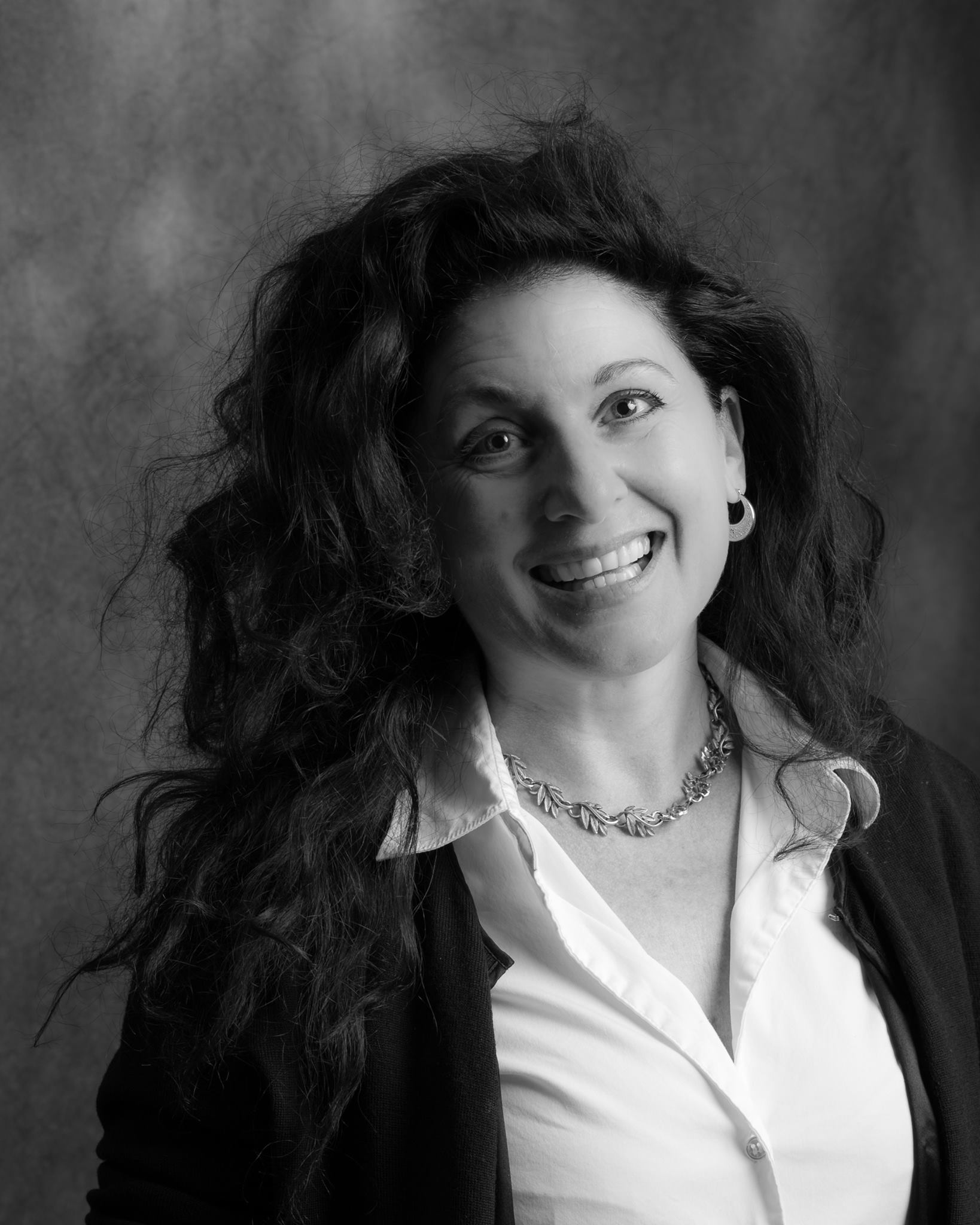
Dr. Paula Bruno, Ph.D., L.Ac., is a licensed acupuncturist and herbalist, an AOBTA-CP traditional Chinese bodywork therapist, a health coach, and an author. She maintains an active and growing practice at her Austin, TX office. Dr. Bruno is also available for distance appointments for wellness consultation or coaching.
In her first career, she was a Spanish professor.
Dr. Bruno’s specialties as a Chinese medicine practitioner include: • Musculoskeletal health (acute or chronic pain relief; Ehlers Danlos syndrome & hypermobility support) • Digestive support, gut health, and weight loss • Aesthetic treatment, including scar revision • Men’s health • General preventative care and wellness support for all persons.
She is the author of Chinese Medicine and the Management of Hypermobile Ehlers Danlos Syndrome: A Practitioner’s Guide. Dr. Bruno also maintains a second website, holistichealthandheds.com, with resources and information curated specifically for people with hEDS and HSD.
When you are ready to discover what traditional medicine plus a vibrant and engaged approach to holistic health can do for you, either contact Dr. Bruno or book an appointment online.
*****
Two Hearts Wellness does not accept paid advertising on this website
Note: Material on this web site site is not intended to diagnose, prevent, treat, or cure any disease, illness, or ailment. A Chinese medicine practitioner in Texas identifies syndrome patterns but does not diagnose illness. Material on this web site does not purport to identify syndrome patterns.
*******



 Two Hearts Wellness