Grief and mourning. The first is what we experience in response to profound loss. The second is what we do as we process our grief.
What of grief that is not acknowledged or processed in a healthy way? Grief is not one of the more pleasant emotions and it may seem easier to stuff it down and pretend it’s not there. Cultural habits that urge keeping a stiff upper lip can make things that much more challenging. Being stuck in an ongoing trauma state, with shocks and blows coming from every corner, makes it near-impossible to find ways to move through it and continue forward on a healing path.
What happens when there is no opportunity to mourn? Grief becomes compounded and overwhelming. There is no healing space. No time to catch a breath. No refuge.
And then we become numb and frozen and broken.
I think that we all, wherever we may be, need to become fluent in the languages of grief, both our own and the sorrowful weight carried by the people we view as our countrymen. What does grief mean to an individual? How does grief press down upon a community? What are the languages of mourning, and how do they weave together–or tear apart–survivors?
One thing is a loss that you acknowledge. Death of a loved one, the rupture of a relationship, coming to terms with chronic illness… these are all causes for grief that a person generally recognizes, or at the very least cannot avoid.
The big-picture and slow-moving traumas don’t always make it easy to point to them and say: “For this I am grieving.” For example, did you expect COVID to change the world as you knew it? What brings you sorrow and weighs on you in the context of COVID? Or maybe you are shocked by the political landscape and cultural upheaval in the United States today. Perhaps you are numbed to all of it and simply hoping that things will blow over eventually but, if you look closely enough at your feelings, you realize that you are grieving.
Maybe a sense of loss–of grief–squeezes your heart and flattens your lungs.
I was a Spanish professor before I became a practitioner of Chinese medicine, but people who know me at all know that I will always be a Spanish professor in my heart where it counts. That is a fact. My area specialty was national trauma (civil war, dictatorship, genocide, and torture) and how this filters through literature and art. My study habits haven’t changed much, though my area specialty (one of them, anyway) in Chinese medicine is hypermobile Ehlers-Danlos syndrome and MCAS. Both involve ongoing suffering, though, so I guess that’s a connection.
(I’m actually not a Debbie Downer even though I’ve spent a lifetime working with less-than-jolly topics and conditions. They’re part of the human condition and someone needs to specialize in them. Besides, I have a Mediterranean cultural closeness with death and with expressive emotions.)
In my estimation, we–and by we, I mean people in the United States, although this message is valuable for anyone, anywhere–are long past due for a reckoning with trauma and grief. Pretending that COVID is over or somehow ignoring current events is a form of kicking the can down the road. That didn’t work for Spain after the Spanish Civil War was declared over in 1939, trust me. And, given my work with complex chronic illness, I can say with complete confidence that pretending to be invulnerable to illness may work for some of us, but it won’t work forever. Just because someone is healthy today doesn’t mean that things can’t change in an instant.
And the day comes for all of us when we are compelled to face our own mortality.
It is healthy to become aware of grief. It is healthy to mourn. The feeling and the processes are human, and they are healing. Consequently, this blog post will share some thoughts on mindful grief and mourning. It is an invitation to gentle opening to grief and to the practice of intentional mourning, too.
*****

*****
Being [fill in the blank] when times are tough
Who are you? How does your identity affect your experience with grief? Part of a healthy relationship with grief comes from self-awareness. When we know our own tender spots and recognize what we may have been taught about grief, we are then more able to engage well with this emotion.
If any of these identities resonate with you, it may help to take them into account as you get to know your relationship with grief:
If you are an empath, or otherwise sensitive, you may want to practice finding your boundaries and, lovingly and with intention, tending to them;
If you are already traumatized or living with the challenges posed by chronic illness or pain, you may–if it’s available to you–want to focus on finding ways to put extra padding around the metaphorical sharp edges of your grief (do you have support in your life, be it a therapist or a caring community?);
Are you a man who was taught that boys don’t cry, or someone from a culture that thinks that the only option is to firm one’s stiff upper lip and just get on with it? You may benefit from finding ways to unwind the knots created by this socialization.
Everyone’s situation is different, and self-awareness makes a big difference. Finding ways to work with yourself as you are, in a gentle and self-accepting way, can make it possible to begin the work it takes to be present for grief enough so that mourning and healing can follow.
Oh, that healing journey…
Finding the right guidance and support is crucial. It may be possible to seek meaningful information on the internet or from books. One’s community, family, or spiritual center can be enough. But when a person is deeply grieving, or–on the other hand–extraordinarily invested in stuffing down their pain, then it’s usually best to work with a psychotherapist. But how to know, especially if the feelings are buried or, conversely, overwhelming? Self-awareness, especially of the following, may give some insight into facets of the healing process:
Degree of presence: There is a difference between trauma dumping at intervals vs. being present for one’s gradual, consistent, and mindful process of reconciling loss. A person who either feels everything at once…or nothing, just blank, generally could use the support of a therapist, don’t you agree?
Mindful awareness: It takes practice to figure out when we need help and situational awareness regarding whether or not others can or cannot be available to give that help. When we’re all in a collective state of trauma it can be really hard to figure out who gets to be the supportive friend vs. the friend who needs support, if you ponder it.
Containers: We all have them. There are the healthier ones (being able to identify emotion and contain it as needed) and the ones that damage (places where we stuff down feelings until they burst). Which type(s) of container hold your grief and pain? Do you need to revisit them, and maybe make some shifts?
The beloved children’s television figure, Mr. Rogers, had a saying about looking for the helpers that everyone has heard by now.1 Grief can be a lonely emotion, especially if it’s collective and/or disavowed. Where, then, are your helpers and do you need to take turns at this role if everyone around you is equally stressed and distressed?
*****
*****
Grief stored in the body and what CM can do about it
When we become comfortable with the idea that grief is part of being alive, it can then be easier to step back and tend to our bodies which, in turn, nurtures the process of grief and the processing of it. Chinese medicine is pragmatic about this issue. When someone is grieving, we see this in connection with the Lung. They are the “most delicate organ,” as I was taught in my program, and excess grief damages them. If grief is overwhelming, we heal through the Lung.
If you ponder it, this is not fanciful. When we are sad, we might breathe more shallowly. Gasping while choking out sobs involves the lungs (I capitalize Lung, singular, when referring to Chinese medicine’s umbrella category; for the actual organ, it’s lungs). Both activities are not beneficial to the nervous system and the body’s oxygen. Unresolved grief leads to cortisol disruption and inflammation, and this can also be unhealthy for the Lung organ.
If grief is overwhelming, I may show patients or clients some breathing exercises to do at home between their acupuncture or health coaching appointments. I will also suggest specific foods related to Lung health, such as Asian pear and other good things. In an office visit, I will more likely than not will give an acupuncture treatment that soothes the Lung and nourishes the Heart (the organ responsible for joy). This can balance emotion and smooth the pathways for steady processing of (and, when ready, healing from) grief. If it’s a health coaching appointment, I can guide the person through acupressure treatment and breathwork.
*****

*****
The composition of tears and what releasing them does to a body
Crying is healthy. Western biomedicine might explain it via chemical components and point out the hormones that are shed along with the tears. I prefer the way Chinese medicine holds that tears shed from grief are healing to the Lung and the Heart.
A Chinese medicine practitioner or health coach is not going to be a psychotherapist (and if they purport to be your spiritual guide or act a little closer to being a psychotherapist than you like, then find someone else). What I tell patients and clients is this: I can help you to find trauma in your body, but your therapist will help you to make meaning of it. The same goes with grief. People do cry during treatment if they are relaxed and feeling safe enough to let go. That’s healthy and healing. And if finding meaning or changing life patterns is the goal, then a psychotherapist for the first and a health coach for the second are just what you need.
But yes, it is healthy to mourn. And crying is part of that practice.
*****
*****
On not gaslighting ourselves over the need to mourn
There are a lot of ways to mourn. A person’s home culture often gives certain perspectives on grief and mourning, but if they’re not helping then maybe it’s time to try something new. Googling “learning new ways to mourn” returns articles about everything from the creative outlets to psychotherapeutic approaches to support groups. The search term “Grief and culture: a checklist” is another good one. Replacing “the dead” with “the loss” (whatever it is that you are grieving) expands the checklist’s horizons.
I’m biased, of course, when I mention working with a practitioner of Chinese medicine. But if you want to nurture your gut health, improve your sleep, and find relief for anxiety and a healing space for uncontained grief… these are all things that you can do at your appointment. Working with a health coach, if that appeals to you, can be a way to identify and create new habits. As a health coach who approaches things from my background as a Spanish professor and my work in Chinese medicine, I view grief work via coaching the same as I do via an in-office appointment: the goal is to develop realistic inner balance. Not too much and not too little. You know it’s there, you accept it when it presses for attention, and you tend, mindfully, to your wellbeing as you process and reconcile it. That’s balance, and it’s priceless.
We all deserve to mourn. If it’s COVID or current events or a personal tragedy, grief comes to us all sooner or later. Pretending otherwise is unhealthy and I think we all deserve better than that.
What do you think?
*****
*****
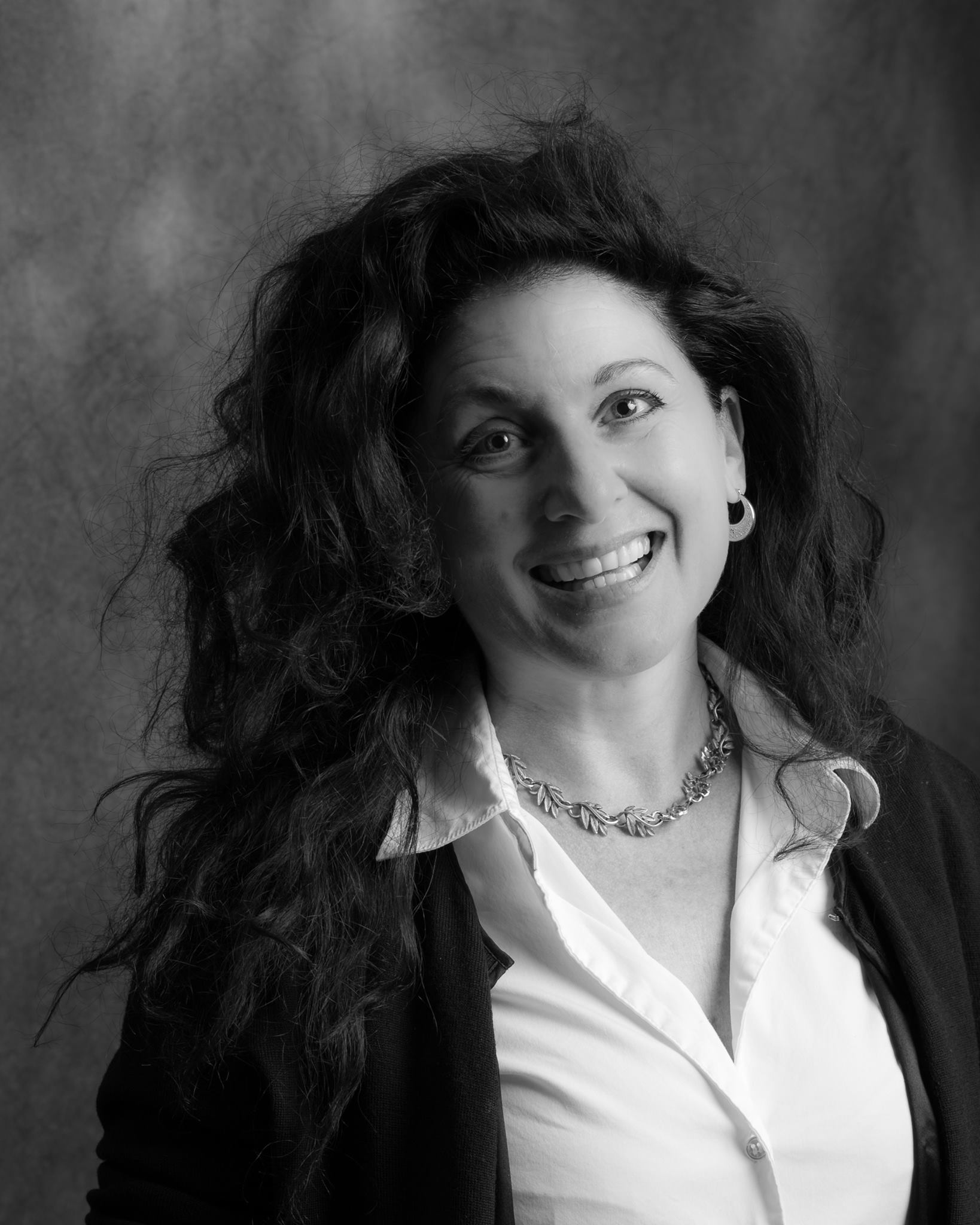
Dr. Paula Bruno, Ph.D., L.Ac., is a licensed acupuncturist and herbalist, an AOBTA-CP traditional Chinese bodywork therapist, a health coach, and an author. She maintains an active and growing practice at her Austin, TX office. Dr. Bruno is also available for distance appointments for wellness consultation or coaching.
In her first career, she was a Spanish professor.
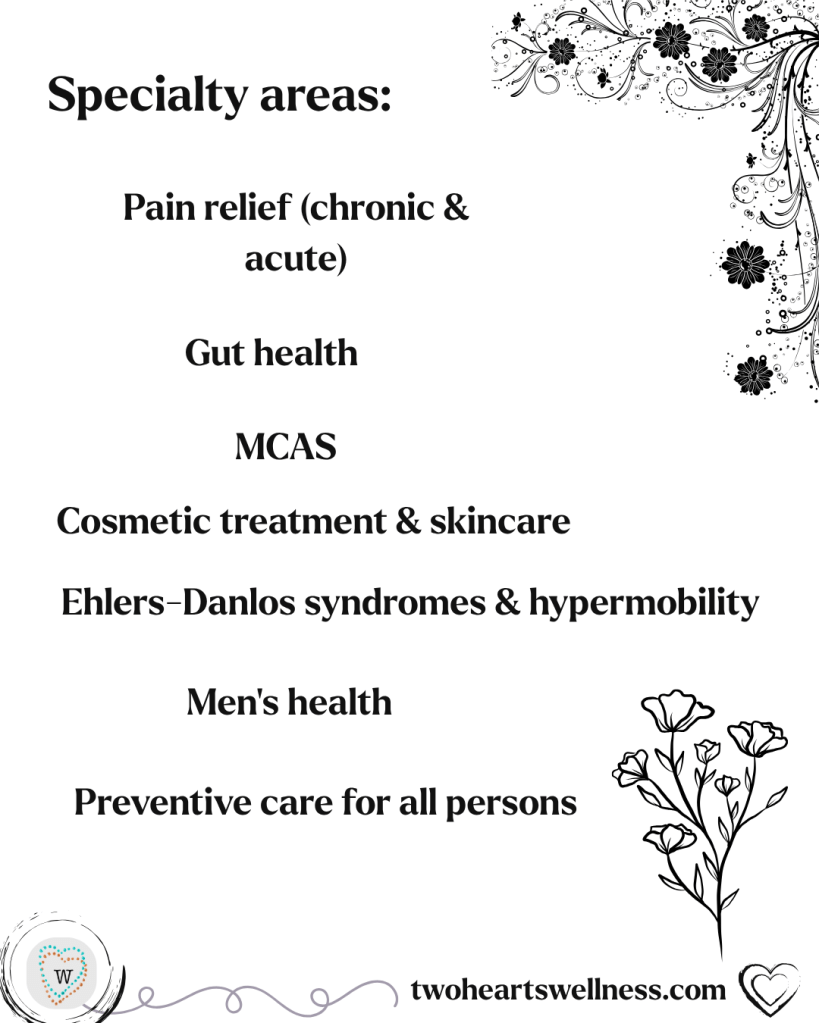
Dr. Bruno’s specialties as a Chinese medicine practitioner include: • Musculoskeletal health (acute or chronic pain relief; Ehlers Danlos syndrome & hypermobility support) • Digestive support, gut health, and weight loss • Aesthetic treatment, including scar revision • Men’s health • General preventive care and wellness support for all persons.
She is the author of Chinese Medicine and the Management of Hypermobile Ehlers Danlos Syndrome: A Practitioner’s Guide. Dr. Bruno also maintains a second website, holistichealthandheds.com, with resources and information curated specifically for people with hEDS and HSD.
When you are ready to discover what traditional medicine plus a vibrant and engaged approach to holistic health can do for you, either contact Dr. Bruno or book an appointment online.
*****
Two Hearts Wellness does not accept paid advertising on this website
Note: Material on this web site site is not intended to diagnose, prevent, treat, or cure any disease, illness, or ailment. A Chinese medicine practitioner in Texas identifies syndrome patterns but does not diagnose illness. Material on this web site does not purport to identify syndrome patterns.
*****

*****
- The full quote: “When I was a boy and I would see scary things in the news, my mother would say to me, ‘Look for the helpers. You will always find people who are helping.'” This is a lovely sentiment but may not always work in instances of national or collective trauma. Sometimes, we’re it. We are our own helpers, if not the helper to whom others turn in times of need. And if that’s the case… then it is that much more important to have a therapist, to tend to gut health, to be as proactive as possible about wellbeing. ↩︎
 Two Hearts Wellness