Now more than ever…each one of us needs to take a good long look at our levels of wellbeing. Some things are out of a person’s control and no amount of biomedicine on one hand (or kale, intent, and/or yoga on the other) is going to change that. Other things? Well, generally speaking, there is usually at least something a person can do to strengthen the foundations of their health. Most important? Realistic goals and targeted approaches. When we have a lot going on, we might have better success if we decide on just one focus area. If we just begin, though, and when we are consistent in our practice, it really is possible to make good strides by starting small and building intentionally.
Truly, we are not as helpless as certain sectors would love for us to believe. It is possible to be healthy without being tethered to one’s “trusted family doctor” (does anyone actually have one of those anymore?) or shackled to a long list of prescriptions for “life-saving pharmaceutical drugs.”
And yes, especially when there is a lot going on in the world (on an individual level or in the bigger picture), it may be challenging to map out a plan. It takes energy and focus to turn a ship around, and if the one we’re on has been sailing in the wrong direction for a while now? Yes, it can be tough to make meaningful change. But when we narrow things down and set priorities, we may find that it’s easier to make a difference than we had anticipated.
What would happen if you opted to pick a place to begin, you decided to learn about it and do what you can in that realm, and–as a result–you were able to build a steady health-nurturing practice? It is possible to take control of your health when you’re strategic. In this post, consequently, I’m going to sketch a reasonable, do-able outline of what is worth considering when a person is trying to develop a strategy. It’s not an exhaustive list, and each one of us has our own priorities (and yes, there is a place for “trusted family doctor” engagement and the taking of “life-saving pharmaceutical drugs” but…as I argue here…those do not have to be a person’s only option in this life).1
*****
The big five that I will discuss here include:
- Gut bacteria;
- Blood sugar;
- Breathwork;
- Movement; and…
- Honoring ancestors while mindfully breaking the chains of genetic heritage and ancestral trauma.
All are important, and by ranking them and figuring out which ones are most important to your project, you may find that you have more power than you realized if you want to make some meaningful changes to your wellness levels. It is possible to rewrite the narrative surrounding one’s wellbeing. We’re not as helpless as we might think we are.
Take a look, and see what you think…
Gut bacteria
What do you know about your gut microbiome? These trillions of bacteria, fungi, and viruses that live in your innards have a remarkable effect on the rest of you, from your mental health to your immune system and how well it functions. You’ve heard the saying “When mama ain’t happy, nobody’s happy” and “happy wife, happy life,” right? Well, swap out mama and wife for “microbiome” and you’ve got a home truth you can take to the bank, colloquially speaking.
Most acupuncturists are a great resource for gut health, and if you’d like to explore what Chinese medicine can do to support your midsection, see “Gut & Digestive Health: Three Reasons Why It Matters & How Chinese Medicine Can Improve Yours.” Other resources might be a nutritionist, a functional medicine physician, or a naturopath.
If you can work with a trusted source (whatever that means to you, be it a health coach, acupuncturist, functional medicine physician, naturopath, and/or the GI specialist of your dreams), that’s great. If you can’t, at least do some investigating before you buy a pricey bottle of probiotics and call it a day. Not all probiotics are created equal, for one thing. If you are chronically inflamed, it may be that you need a low histamine probiotic. If you’re trying to achieve something specific (for example: restore the serotonin in your gut), that usually requires a specific strain of probiotic. And finally… certain brands are owned by the same parent company that makes the food that has left you sick. Do you want to enrich them by paying to eat their ultra-processed food and then pay them again to fix the damage by purchasing their brand of probiotics? It’s something to consider, if you ponder it.2
Restoring gut health is a challenge but it’s worth the investment. If you need to go it alone, at least be sure to do a little research and pick your remedies wisely. But do something. Your gut health is the foundation of your entire being. A healthy gut is crucial, and is worth all the energy you put into creating one.
Mind your sugars
Some people get a yearly physical and have their blood checked routinely. Others do not. No matter which camp you fall into, it is important to be aware of your blood sugar. Do you know your risk factors? If there are people in your family with diabetes, if you drink soda or eat ultra-processed food, if you don’t exercise, or your stress levels are out of control…these are things that can start nudging you into the territory of problematic blood sugar. Age is also a consideration. After about the age of thirty, most of us need to start being more attentive to blood sugar levels no matter how we eat, how much we exercise, or whether or not the stress is excessive.
I’m not here to tell you to get an app to monitor yourself. Personally, I’m not a big one for being a data cow for Big Tech. Besides, we existed for centuries without these gizmos and will probably do better if we release our reliance on them.
But what can you do if your odds aren’t looking good?
Education is key. Do you truly understand what’s important about blood sugar? Do you have an idea of where to start if yours is not optimal?3 If you’re not interested in getting a prescription for Metformin, you might want to see about working with a personal trainer, a health coach, or an acupuncturist or other holistic healthcare provider.4 A personal trainer can help you with your fitness levels. A health coach can support you through behavior change, goal setting, and weight loss (if that’s what you’re after). An acupuncturist can give you nutrition guidance, acupuncture treatment, and herbal medicine that can change the dynamic for you. But however you do it, you want to figure out your risk factors, determine how it is that you are playing into them, and strategize just what you can do to change that trajectory.5
*****

Breathwork
When a person is anxious, they may hold their breath or breathe more shallowly. Sitting hunched at a desk all day doesn’t nurture healthy breathing. Smoking and vaping do our lungs no favors. COVID and post-COVID syndromes aren’t conducive to clear, easy breathing.
Breath is life and if you haven’t paid attention to yours in a while, maybe now is the time to start. If you haven’t considered it, a yoga class might be a great place to begin. If you aren’t feeling that vibe, then what about exploring the options you find on the internet by googling “breathing exercises”? Youtube has options for guided meditation. If you like to read, there are some useful books out there.6 But whatever you do, commit to your breath. If you decide that your lungs are your starting point for developing a health strategy, then go for it with heart and soul.
Your breath is your life. Guard it, nurture it, value it.
Movement
I treat a lot of people with Ehlers Danlos syndrome in my practice (not to mention autoimmune disease, MCAS, histamine intolerance, and various complex mystery conditions). This collagen disorder can mean you get a job at Cirque de Soleil as a contortionist if you’re lucky. If you’re like most, though, it means chronic pain and things like your ribs slipping out of place when you roll over in bed while sleeping. It’s not an easy condition and people with EDS aren’t always able to get fit and stay that way. So when I counsel about movement, it’s not from an ableist perspective that thinks movement is available to everyone.
When I switched careers from Spanish professor to practitioner of Chinese medicine I also took the time to acquire a number of certifications, from personal trainer to yoga teacher to health coach, not to mention Reiki master. I love studying, what can I say? And part of my yoga teacher training journey included specialty certification to support wounded veterans. Early in my program to become a licensed acupuncturist and herbalist, I led classes at a veterans’ clinic.
True fact: you don’t need to be able-bodied to practice body movement. And if you are disabled or you live with PTSD (if not C-PTSD) then it might actually be better for you to start with a gentle, forgiving practice. Chair yoga is good yoga. Tai chi soothes the soul and can promote better balance. Water aerobics are much easier on the joints that the traditional variety of this heart-pumping exercise. If you’re not in shape or you have some barriers between you and fitness, give yourself permission to be mellow. Appreciate what you are able to do, and work lovingly within your context.
When we don’t move ourselves we up our chances of becoming diabetic. We also may be contributing to deteriorating mental health if we are in a constant state of fight, flight, freeze, or fawn. Remaining stuck in one spot becomes a habit. Muscles get tight and weak. Digestion slows. Thoughts become fixated on either a known threat or the scanned-for potential dangers that are either real or created by the imagination. But getting up and moving can break that endless loop and it is key to wellbeing. If you can’t move, then meditate on movement. Seriously!
Even visualizing movement can effect change…so get going today!7 Your mind and body will thank you, as will your digestion.
*****

Honoring the ancestors and breaking the chains
You can do this by knowing your genetic heritage, being aware of your potential epigenetic changes, and by healing yourself on a spiritual level so that you can move forward with your life today. The first two tasks may require a visit to a geneticist (or not) but the last one can be free to anyone.
If you look around you and most of the people in your family have diabetes, what does that tell you? If most of the elderly folks in your family have dementia, what does that tell you? What about obesity? If and when there’s a history of health conditions in your family then don’t wait. Now is the time to start doing what you can to avert adding to the statistics in your clan. It may take a lot of consistent effort and some meaningful changes in your daily life, but…if you can avoid dementia (for example) then why not start today?
In my practice, just to provide an example, I will suggest easy and accessible books to read and/or help patients or clients (patients come to me for in-office Chinese medicine; clients are folks who work with me in my capacity as a health coach) to identify their risks and to make a plan to ameliorate them. A recent book that I’ve suggested is The Ageless Brain: How to Sharpen and Protect your Mind for a Lifetime by Dale E. Bredeson, MD. It’s easy to read and pitched towards a non-professional readership, it explains brain health in an accessible way, and it offers resources for improving what you’ve got.
What is your family history health concern? Just by finding a good, accessible book or two and mindfully beginning to strategize for the long term, it can be possible to stave off a number of chronic conditions. Why not make that your project today?8
Officially, I am no longer a Spanish professor. In reality, I will always be Professor Bruno. That is a fact. And just about everyone who comes to see me will, at some point or another, get a suggestion for further reading. It’s not an assignment, but–instead–a suggestion. For my folks with Ehlers-Danlos syndrome, I wrote a blog post: “Creating an EDS Bookshelf: Must-Have Reading for Savvy Zebras.” I think that everyone should have a bookshelf of resources for their own health project…what do you think?
And this brings me to health and family patterns.
Ancestral trauma haunts us all, I think. My family immigrated to the United States in the 1920s and were terribly poor. We have our family stories and our secrets and our scars. What is your family story? Can you sit with it and invite it into your space so that you might acknowledge what your people endured and overcame? Are you able to practice any forms of prayer or ritual or even something a little more mundane, like scrap-booking photos or writing a letter to a deceased elder, in acknowledgement of their labors and pains? Do you need to seek out a therapist or a guide? Finding ways to acknowledge our family history is a worthy project especially if there are issues we do not want to be doomed to repeat.
Looking back to how your people may have struggled and honoring that is an act of self-care for both mind and spirit. Honoring those who came before you can be deeply healing, and this can mean focusing on specific relatives who came before you or you might find your peace by connecting with your sense of closeness to your cultural heritage and location of family origin on a broad scale. Meditating on your deepest roots may teach your something you are ready, now, to learn. Being present for one’s ancestral past can inspire healing today.
Choose an area & get started
On barrier to wellbeing that gets in the way for many of us is decision fatigue. This is when we’re overcome by so many choices that we lose our ability to pick which option is best (or any option at all). Which supplement? Is that diet better? Maybe the best thing is to buy this piece of exercise equipment (hey, who doesn’t need a new coat rack and place to throw one’s towels?) or should I start that new program? Or maybe you’re just tired and do not have the energy to deal with looming, yet distant, health threats right now. Or maybe you’re dealing with a long-standing health concern and haven’t really had the energy to look at the big picture and shift your gears.
Changing the trajectory of one’s health is a project. There is a lot–a LOT–going on in the world today and maybe you don’t have the energy to think about diabetes or not wanting to end up with dementia many years down the road. But tomorrow will be here before you know it, for one thing, and for another… we’re taught to think that health comes from the doctor’s office, from getting the yearly screenings, and from taking the prescription without fail. And sure, those can be part of a health program. But so is what you do every day. So is what you decide to learn about and focus on and nurture.
Your gut health, blood sugar, breath, and body movement are all key components of basic health realms that often can be shifted and used to help guide yourself towards a healthier you. Remembering that you come from somewhere, and that your ancestors are an intrinsic part of the fabric of your life–either functionally or metaphysically–can be your entry point to the start of your health journey or a cornerstone in your big picture. Of these five options, which one resonates most with you, and where do you want to begin?
You want to take control of your health…so where will you begin?
*****
*****
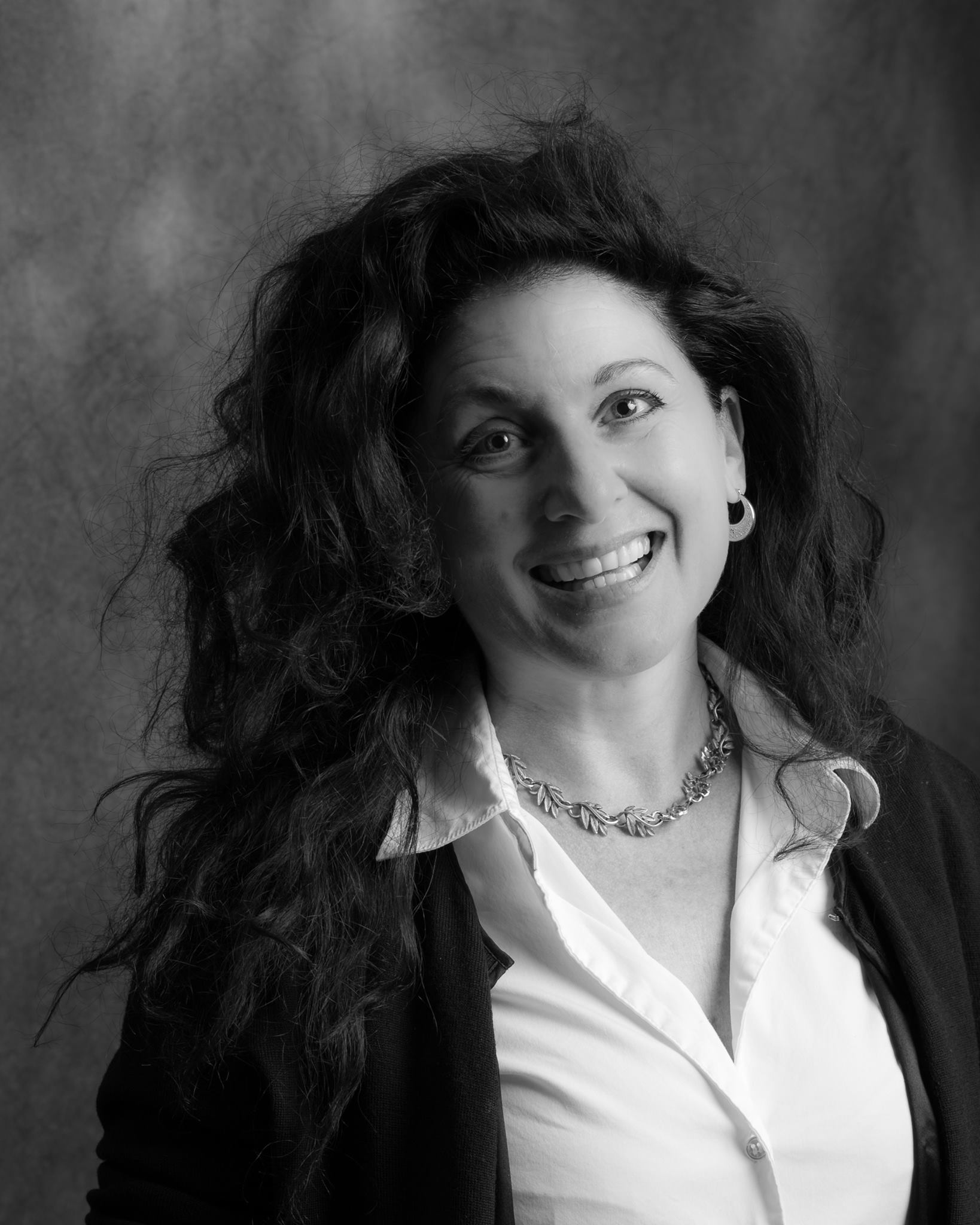
Dr. Paula Bruno, Ph.D., L.Ac., is a licensed acupuncturist and herbalist, an AOBTA-CP traditional Chinese bodywork therapist, a health coach, and an author. She maintains an active and growing practice at her Austin, TX office. Dr. Bruno is also available for distance appointments for wellness consultation or coaching.
In her first career, she was a Spanish professor.
Dr. Bruno’s specialties as a Chinese medicine practitioner include: • Musculoskeletal health (acute or chronic pain relief; Ehlers Danlos syndrome & hypermobility support) • Digestive support, gut health, and weight loss • Aesthetic treatment, including scar revision • Men’s health • General preventative care and wellness support for all persons.
She is the author of Chinese Medicine and the Management of Hypermobile Ehlers Danlos Syndrome: A Practitioner’s Guide. Dr. Bruno also maintains a second website, holistichealthandheds.com, with resources and information curated specifically for people with hEDS and HSD.
When you are ready to discover what traditional medicine plus a vibrant and engaged approach to holistic health can do for you, either contact Dr. Bruno or book an appointment online.
*****


*****
Two Hearts Wellness does not accept paid advertising on this website
Note: Material on this web site site is not intended to diagnose, prevent, treat, or cure any disease, illness, or ailment. A Chinese medicine practitioner in Texas identifies syndrome patterns but does not diagnose illness. Material on this web site does not purport to identify syndrome patterns.
*******
- For a lovely memoir of the development of medicine into the form it is practiced today, see The Youngest Science: Notes of a Medicine-Watcher by Lewis Thomas. From growing up and watching his own father, a genuinely trusted 1920s-era family doctor who did house calls and wrote his prescriptions in Latin to his own experience as a war physician, researcher, and educator, Thomas’s narrative depicts a bygone era, and an interesting one. To learn more about the pharmaceutical industry, including how they use language to shape perceptions (referring to their products as “life-saving drugs” vs. simply calling them drugs, for instance), refer to The Truth About the Drug Companies: How They Deceive Us and What to Do About It. Written by Dr. Marcia Angell, who was editor of The New England Journal of Medicine for two decades, it is certainly an eye-opener. ↩︎
- Pure Encapsulations, for instance, was purchased by Nestlé, as were Garden of Life and Vital Proteins. There is some interesting material out there regarding Nestlé. See, for instance, “Nestlé admits 70% of its products are junk foods” and “Seeger Weiss Files Lawsuit Against Ultra-Processed Food Manufacturers for Endangering Children’s Health with Toxic Products.” One counterpoint to the industry’s rebuttal against claims that ultra-processed food is unhealthy is that some of the louder scientific voices are their own (“Scientists on panel defending ultra-processed foods linked to food firms“). ↩︎
- Just to start, google “blood sugar basics” and a slew of information will appear. Good resources to start can be found on the Cleveland Clinic’s page, at the Mayo Clinic’s page, and via Healthline, for example. There are a lot of books out there and many are lengthy infomercials for their authors’ programs. Think Like a Pancreas by Gary Scheiner and Jason Fung’s The Diabetes Code, for instance, left me with mixed feelings for this reason. These books are useful for non-professionals who want to learn, though. And that’s the key: finding a couple books by people in the field (Scheiner is a physiologist who lives with type-1 diabetes; Fung is a nephrologist who specializes) and see how they frame their argument. Does it resonate? Does what you read give you a better understanding of your condition? Can you take what you’ve learned and ask your healthcare providers to elaborate on it? If so, the books you have read are useful tools in your program. ↩︎
- Metformin is not without potential for serious unpleasantness (“Metformin Side Effects“). ↩︎
- Obviously, I’m biased in favor of Chinese medicine, but for folks who are more comfortable with Western approaches, there are also nutritionists, functional medicine practitioners, and naturopaths if one wishes to expand one’s horizons. One resource for learning more about the microbiome can be found in Alessio Fasano and Susie Flaherty’s Gut Feelings: The Microbiome and Our Health. ↩︎
- Blandine Calais-Germain’s Anatomy of Breathing is a marvel, though a more popular and accessible tome might be James Nestor’s Breath. ↩︎
- Imagining exercise is not going to make a person suddenly become super fit but there are benefits. See, for instance, “Is it possible to get stronger just by thinking about exercise?” Also, and I write this as someone who worked as a weight room attendant during my first graduate program, imagining and visualization can help to build confidence and comfort at the idea of movement. For people who are exercise-averse or uncomfortable about going to the gym, picturing things and creating a positive mental image is a way to become more at ease before finally being able to begin. ↩︎
- You may have noticed that I recommend books geared towards Western biomedicine rather than what I practice, Chinese medicine. Ideally, my patients and clients can eventually learn to move easily in between the two, Chinese and Western, just the way my students learned to navigate back and forth between their first language and Spanish when I taught Spanish literature, language, and culture. To do this, it is usually more helpful for patients and clients to understand their conditions through the lens of allopathic narratives as a touchstone for subsequent comparison. ↩︎
 Two Hearts Wellness