The term “self-care” has a bit of a connotation. Do you think about manicures and yoga class when you hear it? What comes to mind might also be indulgences that feel great but maybe aren’t the best option, especially if they’re used to mask issues that actually do require some meaningful care of your own sweet self. Everyone has their own perception of the term…so what is yours?
As a practitioner of Chinese medicine, as a health coach, and from my perspective as a human being who has had to learn to take good care of herself, I do have thoughts regarding self-care that bear no resemblance to the pop culture narrative of it. Instead, I view self-care as a life practice, and one that evolves as a person’s needs shift and change. Anyone who is familiar with my social media posts will know that I bring up the topic regularly. This is a topic very dear to my heart!
If you don’t take good care of yourself, who is going to do this for you? And yes, yoga classes are lovely and getting one’s nails painted is fun and relaxing but there really is more to it than just the relatively frivolous manifestations. What do you think about the following categories?
*****

Daily Practices
What about the practical side of things? Taking stock of your physical health is one way to practice self-care. If you know that you sit too much or have been eating too many fast-food lunches, then self-care might look like finding twenty minutes to take a walk or figuring out a way to cook at home. When you take the time to consider your wellbeing and dedicate some sincere energy to change things for the better, that is self-care. Meaningful self-care.
Take care of your health; know yourself; strategize in a way that is realistic for you.
Your mental health is equally important. Sometimes, there really is not a lot of wiggle room as far as the improvement of physical health is concerned. Is it possible to focus on mental health? If you find that you are always anxious on Sunday nights, is there a way to prepare for Monday that lessens the load? If certain people or situations cause you undue angst, can you figure out a way to see them less or change something about the situation so that it doesn’t overly burden you? What is available to you to shift they dynamic of your emotional landscape? Paying attention to this aspect of your wellbeing and consciously putting in the effort to nurture your inner being is self-care.
Consider what to keep and what to release in your life. Small steps can add up, so take that first one.
Not everything can be changed, and if there’s a lot going on, then it can be that much more challenging to shift course. But taking the time to assess is self-care. Figuring out what you can do differently (and knowing when to give yourself grace for things you cannot change at present), is self-care. It is.
*****

Intentional Approaches
We arrive at adulthood and some of us forget how to play, or we lose touch with our silliness or our creativity. Especially when there is so much tragedy in the world, and trauma, too, it’s easy to forget to have fun for fun’s sake. It takes some doing to hold both joy and acknowledgement of suffering at the same time. How can a person enjoy life and create joy while being cognizant of what’s happening in the world today?
Finding ways to nurture your creativity is self-care. Do you like to sing or draw or make scrapbooks? Do you love to dance? Who is your favorite artist? Figuring out ways to fold healthy joy and imagination into your daily life is a fruitful activity that will help you to blossom. Truly… engaging in creative activity is an act of self-care. Taking the time to go to a museum or making an event out of an online tour of an art exhibit also can feed your imagination and that’s self-care. What else can you come up with to nurture creativity in your life? Even just pondering this question is a small act of self-care that can be the start of a meaningful touchstone for your sense of wellbeing.
What can you do in your life to nurture a sense of newness and potential?
Do you doom-scroll? Is your job stressful? What about your home life? Let’s not even get into current events and global disruptions. Self-care needs to include a realistic assessment of life events beyond our control. Self-care in this context means figuring out ways to protect your boundaries. It means being aware, it means remaining present and even compassionate, and it means having the ability to identify and adequately engage with our emotions.
It can be challenging to kick the doom-scrolling habit. We can’t always make our job easier. A happy home life may be less available than one would wish. Global events are not necessarily in our control. But we can practice our self-care. Quitting time-wasting habits is self-care. Being able to be present for your own emotions and having the ability to practice non-attachment to them is a learning process and choosing to undertake that learning process is an act of self-care. Developing self-awareness and the emotional wherewithal to navigate a bigger picture that might be out of your control is a profound act of self-care.
A lot is going on in this world–are you guarding your peace?
*****

Nurturing Your Heart and Soul
If you google “adult loneliness” or “adults and social isolation” you will be saddened to find that loneliness certainly is an issue for many. COVID hasn’t been helpful in that regard, especially for people who are disabled or otherwise confined by their life circumstances. It can be hard to step out of your comfort zone if you are shy or reserved, you work from home, and/or you don’t have a strong social circle. It’s not necessary to be a social butterfly if that’s not natural to you. But figuring out if you need more social support and finding ways to build community? These are acts of self-care.
Loneliness and social isolation are real issues in this life. What steps are you taking to build community?
Some of us are religious, others are spiritual. Still others are entirely atheist and that’s fine too. But we all want to find meaning in our lives. We all find ways to create meaning. If you’re not religious and you don’t have a spiritual practice, then what about reading history or philosophy books? Leaning into one’s cherished religious or spiritual practice is an act of self-care. So is finding other ways to ponder the nature of life and humanity. Where can you look when you want to find meaning in life? When you take the time to consider your values and the state of your soul or spirit or inner spark–however you view this intangible part of you–you feed the innermost heart of your being and, in so doing, you are practicing an act of self-care.
Where is your anchor? Where does the string to your soul’s kite lead?
There is so much more that can be said about self-care, but the above-written is what comes to me when I’m pondering the topic. When I’m sharing stuff on social media, this is what I’m referring to when I try to persuade followers of the value of such a practice. And as much as I love a good yoga class or freshly-painted fingernails, that’s not sustainable self-care. It’s a treat, but tough times call for meaningful self-care that will inspire and encourage and even heal. Taking care is something to do every day and making it an intentional practice is a skill to cultivate.
What would happen to your views on self-care if you looked at it as a life practice? Where would you begin and where, ultimately, would you like to go?
*****
*****
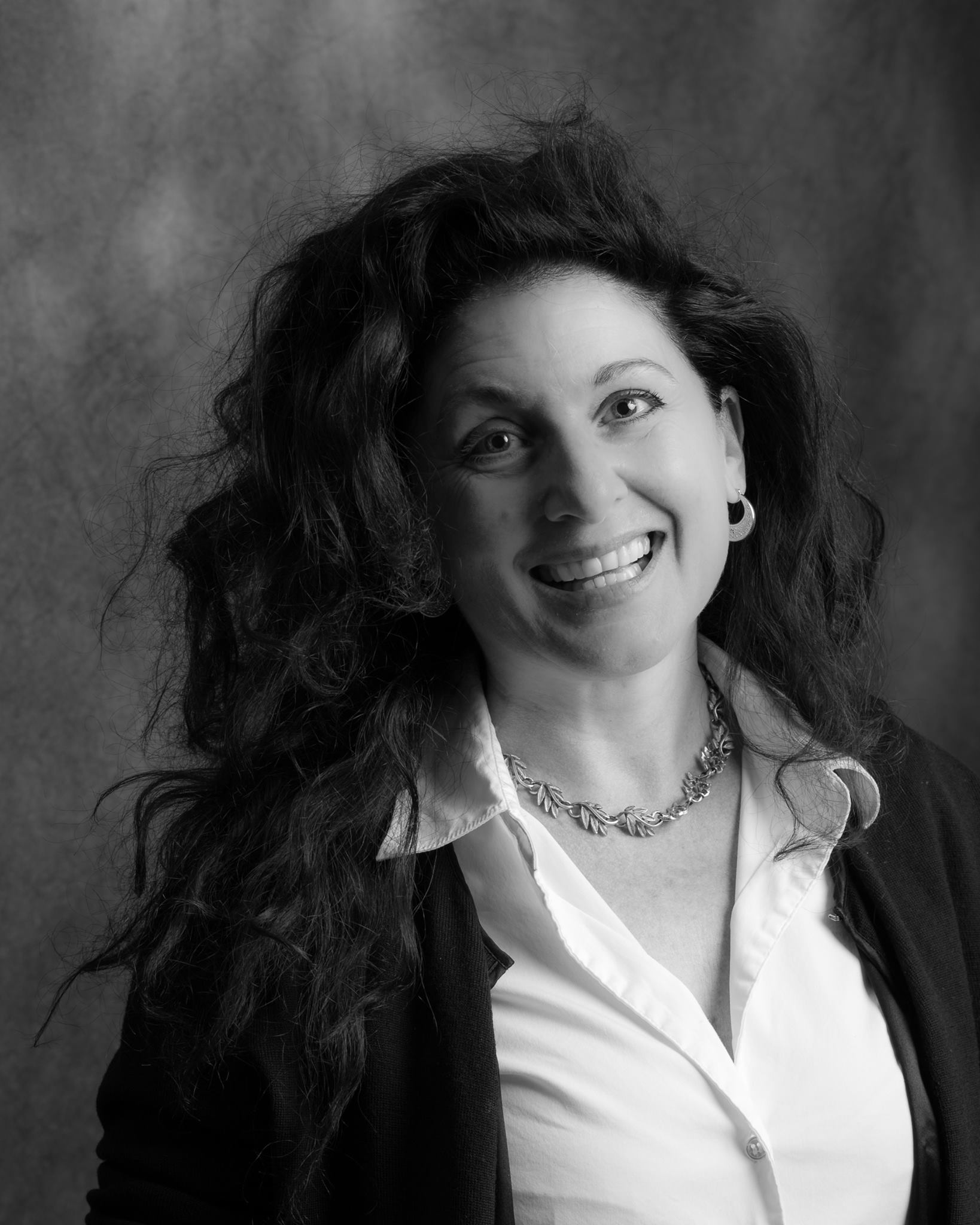
Dr. Paula Bruno, Ph.D., L.Ac., is a licensed acupuncturist and herbalist, an AOBTA-CP traditional Chinese bodywork therapist, a health coach, and an author. She maintains an active and growing practice at her Austin, TX office. Dr. Bruno is also available for distance appointments for wellness consultation or coaching.
In her first career, she was a Spanish professor.
Dr. Bruno’s specialties as a Chinese medicine practitioner include: • Musculoskeletal health (acute or chronic pain relief; Ehlers Danlos syndrome & hypermobility support) • Digestive support, gut health, and weight loss • Aesthetic treatment, including scar revision • Men’s health • General preventative care and wellness support for all persons.
She is the author of Chinese Medicine and the Management of Hypermobile Ehlers Danlos Syndrome: A Practitioner’s Guide. Dr. Bruno also maintains a second website, holistichealthandheds.com, with resources and information curated specifically for people with hEDS and HSD.
When you are ready to discover what traditional medicine plus a vibrant and engaged approach to holistic health can do for you, either contact Dr. Bruno or book an appointment online.
*****

*****
Two Hearts Wellness does not accept paid advertising on this website
Note: Material on this web site site is not intended to diagnose, prevent, treat, or cure any disease, illness, or ailment. A Chinese medicine practitioner in Texas identifies syndrome patterns but does not diagnose illness. Material on this web site does not purport to identify syndrome patterns.
*******
 Two Hearts Wellness