Do you have drooping cheeks or puffy eyes or scars? Or maybe you have noticed that you’ve developed tight muscles in your jaw or around your temples. Do they pull your face into habitual expressions that do not reflect your internal emotional landscape? Maybe you have been through a long period of stress, anxiety, or grief and the traces of these emotions remain in the lines and grooves of your forehead or cheeks. Our faces are like open books and sometimes, they tell outmoded stories or ones that we simply do not wish to share.
Tui na for the face can be a way to shift the narrative.
It’s a funny word, tui na. Actually, it’s two words: the tui, pronounced “twee,” means “push.” The second word is pronounced “nah” and means “grasp.” This is Chinese manual therapy, akin to massage combined with acupressure. Sort of, but not entirely. It is a specialty in China, and practitioners are wise and knowledgeable in the ways of soft tissue and joint health. Tui na can be directed towards any area of the body, and a treatment usually will focus on a specific region or location. It’s not like when you go to a spa and get a full massage from top to toe. We focus.
*****

*****
So why tui na for the face, then?
Well, the short answer is that it is great for anything on your face that you want to heal, rejuvenate, or restore. Do you have an injury, chronic or acute pain, or a scar that either hurts or impedes movement? Acupuncture and other modalities of Chinese medicine can help you, and so can tui na. We have lots of options for cosmetic treatments, and tui na is FABULOUS for facial rejuvenation. And what about inner peace? Mm, yes. You can get that too, by relaxing into the treatment as your practitioner smooths deeply-held muscle tightness associated with long-simmering and less-than-soothing thought patterns.
If you’ve never experienced the marvel that is tui na for your face…you’re missing out on a treasure of Chinese medicine.
Speaking for myself both as an acupuncturist and as a patient, I love acupuncture. I love giving acupuncture treatments to patients and I get my own weekly session from my teacher, whose clinic is in the same office complex as mine. I also fell genuinely in love with tui na on the first day of my first tui na class during my second graduate program, and I’ve been a dedicated practitioner ever since. If you experience this marvel, I’m confident that you will fall in love with it too.
*****

*****
Tui na is like a massage but not the same and–at least I think so–actually, it’s better.
A facial tui na treatment will start with your intake, similar to when you get acupuncture. Your practitioner will assess your skin condition, your facial features, and the overall picture presented from forehead down to your neck. Chinese medicine has specific ways of mapping out the face, and a specialist can discover quite a lot about your overall wellbeing by carefully reading your visage.
The next step is your treatment. This is where the relaxing part happens. With mindful touch and many thousands of years of tradition guiding them, your practitioner will soften tight muscles and reestablish a smooth flow of qi, blood, and lymph. It’s like reading your face with braille fingers for me; I’m not going to speak for other practitioners, but my hands are extremely and remarkably sensitive and they listen to and view the areas where I am working. It is a communication between my hands as they deliver this ancient healing art and your face as it comes forward into health and wellbeing, rest, and renewed vibrance.
We also take the totality of you into account. Part of your treatment could also include acupuncture on other areas of the body, if needed, or acupressure designed to effect change via distance. One example of this would be placing needles or delivering acupressure to points in the hands and forearms that are known to communicate with facial nerves, for example. If you are challenged by chronic inflammation that is showing up on your face, that’s a different set of points. We might decide that LED light therapy or some gentle cupping along meridian (channel) lines is in your best interests. It all depends. Part of the treatment will almost certainly be dedicated to your overall baseline level of wellbeing but the focus, always, will begin and end with your face.
Keep in mind that every treatment is unique to the patient. We don’t do cookie-cutter or one size fits all sessions in Chinese medicine. We pay attention to you and address you and your concerns. Each person brings what they bring and we will honor that when creating your treatment strategy.
Without going too far off on a tangent that would require a lecture on Chinese medicine in general…our goal is to create balance in the system. When you are in a comfortable state of equilibrium your face will reflect that. A healthy face is reflective of a healthy system, if you ponder it. And so, I will ask you to consider this question: what is your goal? Or–maybe better–what do you want from your treatment? You may have a scar that causes you pain, or an old injury or movement process that you want to shift. It could be purely cosmetic or for the purpose of relaxation. Or it could be that you want to change some thought patterns and emotional habits.
*****

*****
Tui na and inner peace? Yes, that can be an outcome.
One of the more interesting lessons I got out of student clinic was just how much changing a person’s expression could change their mood and outlook. Not going to lie here…I’m just as frivolous as the next woman and I was thrilled to take any and all cosmetic treatment seminars I could. I wanted to practice on everyone, too. I had dedicated internship rotations where people came specifically for cosmetic treatments but that was not enough for me. I also started asking all patients if they’d mind if I place a few extra needles on their facial wrinkles, or could I just do a little bit of facial tui na for aesthetic purposes?
People love getting cosmetic treatments and were happy to let me practice on them. What I saw over time was that their calmer faces translated to calmer emotions. It was noticeable enough that I did a bit of research and, sure enough, I did find that I was not alone in my perception regarding the communication between facial muscles and mood.1 It is entirely possible to heal deep trauma, for instance, with a combination of facial tui na, attention to gut health, and–if it’s needed–concurrent psychotherapy with a relevant licensed therapist.2
With no judgement to anyone…I am not a big fan of fillers (I’ve given tui na treatment to people who are trying to dissolve their fillers and I can feel how unkind they are to the surrounding tissues) and I don’t like Botox either. A really good tui na treatment can make fillers and Botox redundant or it can smooth the damage done by either or both interventions. And you can reset your face with tui na if you have regular treatments.
And yet…
When you look in the mirror, you probably see what you perceive to be your flaws and they may be things that you want to “fix.” But maybe you don’t need to fix anything. Maybe, so-called flaws and all, you are just fine the way you are…all faces have their beauty, and all faces have things to share with the world. All faces conceal, too. They speak a language of expression and reaction and warning and invitation. A face has forty-three muscles in it and is your calling card to the world. Your face deserves love simply and for the sole reason that it belongs to you, don’t you think?
If you are ready to soothe tight muscles and smooth away baggage that you no longer wish to keep, or if you have scars, or you want to do something about puffiness…why not try it? Natural, from an ancient tradition, and so truly marvelous…tui na, if you are looking for ways to nurture your face, might be just the things that is missing in your life.
Are you ready to experience the marvel?
*****
*****
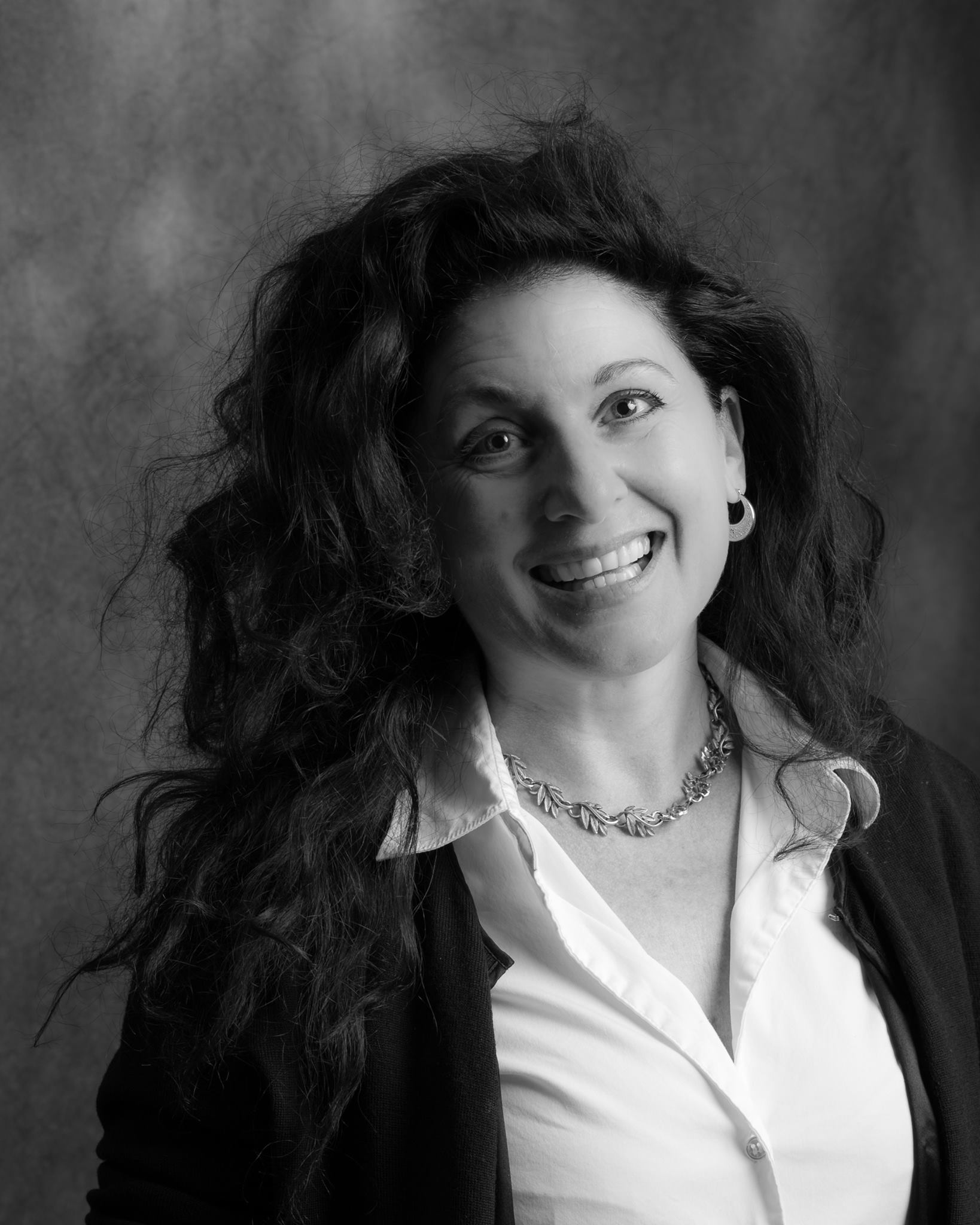
Dr. Paula Bruno, Ph.D., L.Ac., is a licensed acupuncturist and herbalist, an AOBTA-CP traditional Chinese bodywork therapist, a health coach, and an author. She maintains an active and growing practice at her Austin, TX office. Dr. Bruno is also available for distance appointments for wellness consultation or coaching.
In her first career, she was a Spanish professor.
Dr. Bruno’s specialties as a Chinese medicine practitioner include: • Musculoskeletal health (acute or chronic pain relief; Ehlers Danlos syndrome & hypermobility support) • Digestive support, gut health, and weight loss • Aesthetic treatment, including scar revision • Men’s health • General preventative care and wellness support for all persons.
She is the author of Chinese Medicine and the Management of Hypermobile Ehlers Danlos Syndrome: A Practitioner’s Guide. Dr. Bruno also maintains a second website, holistichealthandheds.com, with resources and information curated specifically for people with hEDS and HSD.
When you are ready to discover what traditional medicine plus a vibrant and engaged approach to holistic health can do for you, either contact Dr. Bruno or book an appointment online.
*******


*****
Two Hearts Wellness does not accept paid advertising on this website
Note: Material on this web site site is not intended to diagnose, prevent, treat, or cure any disease, illness, or ailment. A Chinese medicine practitioner in Texas identifies syndrome patterns but does not diagnose illness. Material on this web site does not purport to identify syndrome patterns.
*******
- See “Smiling and Frowning Induced by Facial Neuromuscular Electrical Stimulation (fNMES) Modulate Felt Emotion and Physiology” for more on this topic. A quick search of “connection between facial muscles and mood” will yield an abundance of perspectives on the connection of your facial muscles and your emotional state. It’s a fascinating topic! ↩︎
- I feel pretty strongly that a team approach is best when there is deep or ongoing trauma. As I tell patients: “I can help you find your trauma and treatment can change the feedback loop between where you feel it in your body and how trauma expresses in your emotions but for making meaning of the trauma? That’s for your psychotherapist to do with you.” And people with significant trauma understand that, and are glad that we have boundaries and all due respect for scope of practice. Things work better when we have boundaries and all due respect for scope of practice, so… ↩︎
 Two Hearts Wellness