How is your midsection? Functionally, appearance-wise, and/or in terms of gut feelings, how are things going for you in your core? If you are experiencing sluggish digestion or bloating, abdominal massage could help you. Someone who feels the sense of anxiety or grief settling in their gut can benefit from abdominal massage. People who have scars on their abdomen or a life-long habit of slouching, an anteriorly tilted pelvis, pelvic floor dysfunction, and/or a tight low back or lumbar pain can also get a lot out of abdominal massage.
In other words, this is a treatment that is good for just about anyone, really.
Abdominal massage is healing, relaxing, and even life-changing. Obviously, as a licensed acupuncturist and certified practitioner of tui na (this is manual therapy and it’s pronounced “twee nah”), I’m partial to the Chinese approach. We have not only tui na, which is a treasure, but also chi nei tsang (pronounced “chee nay zong”) handed down from Daoist traditional healing.1
China has a long, long history (thousands of years of history) of focus on gut health. If you’re new to these traditions, take a look at “Gut & Digestive Health: Three Reasons Why It Matters & How Chinese Medicine Can Improve Yours” and discover what we can do for you and your middle region.
Tui na means “push” (tui) and “grasp” (na) and it is a crown jewel of Chinese healing arts. Rather than using acupuncture needles, your practitioner will use their hands to promote improved circulation of energy and blood. We don’t necessarily deliver pressure the way you would get with a Swedish massage or deep tissue work. Instead, there is active communication between the practitioner’s hand(s) and the patient’s tissues that ultimately affects the internal energies of the patient. This could translate to pain relief, it could mean restored digestive function, it could be a matter of processing deeply-held emotion. It all depends. Why did you set your appointment? What did your patient intake conversation reveal?
A tui na treatment usually is confined to a specific area of concern unlike, say, a top-to-toes massage that one experiences at a spa. When focused on the abdomen, the intention is usually going to be comparatively practical. A tui na treatment for this region is great for digestive conditions, problems with internal organs, muscle pain, lower back ache, and/or dysfunction of the pelvic floor.
Not all tui na sessions are for pain or dysfunction. It is entirely worthy to get ab treatments for vanity’s sake. A tui na treatment for cosmetic purposes can also include gua sha and cupping, as you can see here in the blog post “Cellulite and Belly Fat and Bikini Season, Oh My! (Cupping Therapy And Gua Sha Can Help You With This).”
You can experience a tui na treatment anywhere on your body, not just on your abdomen. A chi nei tsang treatment, on the other hand, is only on the abdomen.
Chi nei tsang combines specific tui na (in other words, pushing and grasping) techniques combined with qigong, or qi movement, focused on the internal organs. Your practitioner may ask you to mindfully breathe a certain way or guide you in a meditation during this process. Though not a psychotherapy session, your chi nei tsang treatment can be a meaningful step in your emotional or spiritual healing path. There is an intangible component to a chi nei tsang treatment that ideally will manifest in a calmer mind/spirit (or shen, as we would call it in Chinese medicine) and greater ease within.
*****

*****
Both are marvelous treatments, though. And in a way, any and all abdominal treatment will have a component of internal qigong, or energy shifting, because our abdomens are the center of our being. Emotions and memories and processes–digestive, hormonal, reproductive, everything–take place between our rib cage on the top and our pelvic bowl on the bottom. When your practitioner is working on your midsection, they are working on an incredibly vital and treasured part of your being. Think of your abdominal region like a cooking pot–what’s brewing inside it?–or a universe unto itself. It is your center, and all roads lead to and from it in one form or another.
Have you ever gotten tui na on your abdomen, or tried chi nei tsang? Are you interested in experiencing it now? If so, your first step is to find a practitioner. Have a look at “Find A Tui Na Practitioner: How To Find The Best Traditional Chinese Bodywork Therapist For What You Want To Accomplish” for tips on how to do just that.2
Different people have different skills and, once you find a tui na practitioner, you can usually tell by reading their bio or the blog to find out if they are expert in your particular condition.3
In my practice, for instance, it brings me great joy to work with any manifestation of midsection misfunction, including but not limited to gastroparesis (slow emptying), bloating, inflammation, and/or leaky gut syndrome. If you are a person with groin discomfort or a guy with testicular pain, I can help you either via abdominal work or tui na for your feet. Back pain released via the abdomen is something I love to deliver. Working with Ehlers Danlos syndrome patients is one of my super-powers.4 Are you someone who is holding in your belly emotions that have overstayed their welcome? Anyone with deeply held sorrow or fear or stuck emotions can find peace on my table. (And it really is remarkable how a person can shift their emotional state after the release that a treatment can bring forth.)
I started by asking this question and I’ll conclude by asking it again: how is your mid-section? And–to expand upon my opening query–wouldn’t you love to try these venerable forms of Chinese medicine for health, wellbeing, and even inner peace?
*****
*****
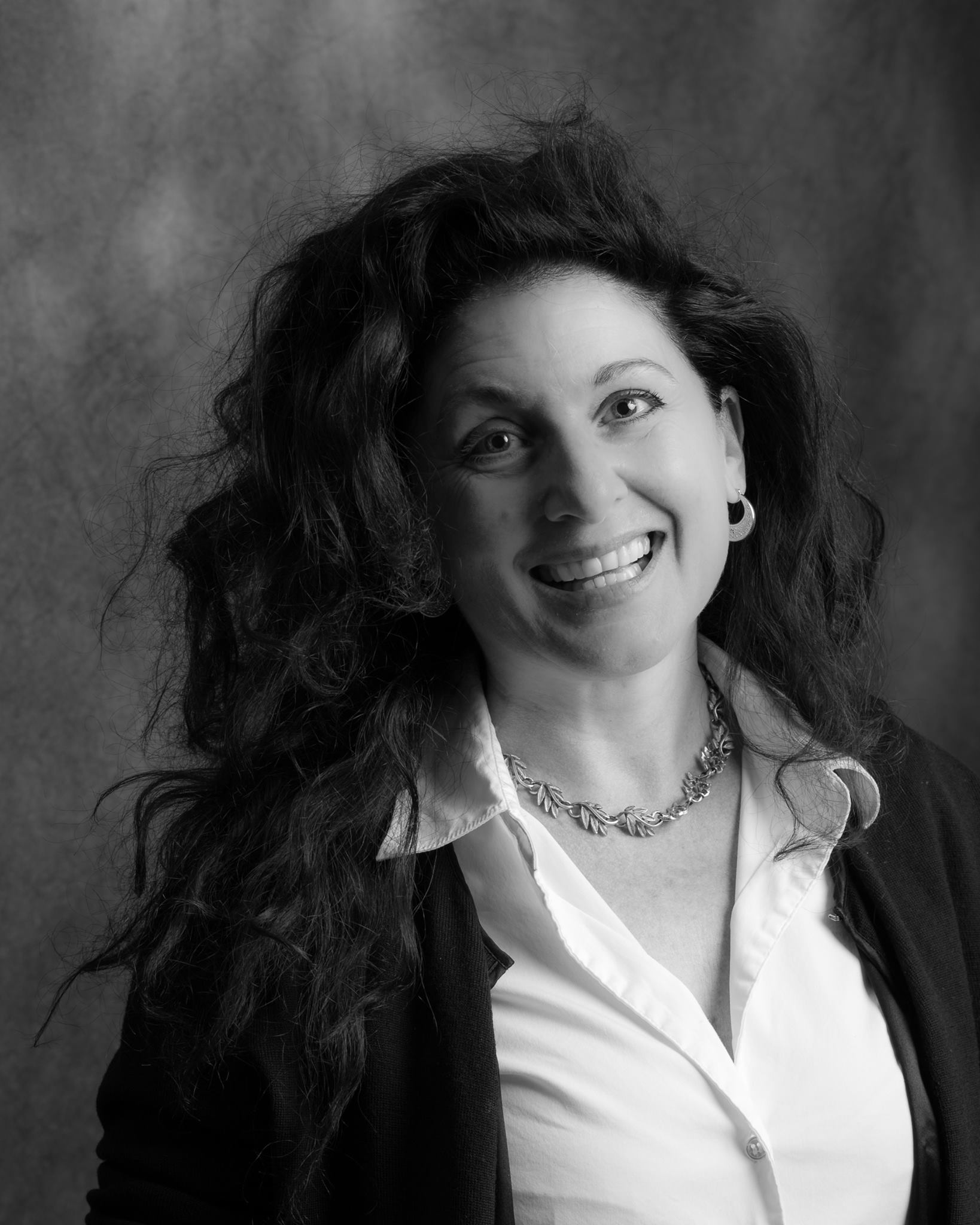
Dr. Paula Bruno, Ph.D., L.Ac., is a licensed acupuncturist and herbalist, an AOBTA-CP traditional Chinese bodywork therapist, a health coach, and an author. She maintains an active and growing practice at her Austin, TX office. Dr. Bruno is also available for distance appointments for wellness consultation or coaching.
In her first career, she was a Spanish professor.
Dr. Bruno’s specialties as a Chinese medicine practitioner include: • Musculoskeletal health (acute or chronic pain relief; Ehlers Danlos syndrome & hypermobility support) • Digestive support, gut health, and weight loss • Aesthetic treatment, including scar revision • Men’s health • General preventative care and wellness support for all persons.
She is the author of Chinese Medicine and the Management of Hypermobile Ehlers Danlos Syndrome: A Practitioner’s Guide. Dr. Bruno also maintains a second website, holistichealthandheds.com, with resources and information curated specifically for people with hEDS and HSD.
When you are ready to discover what traditional medicine plus a vibrant and engaged approach to holistic health can do for you, either contact Dr. Bruno or book an appointment online.
*******

*******
Two Hearts Wellness does not accept paid advertising on this website
Note: Material on this web site site is not intended to diagnose, prevent, treat, or cure any disease, illness, or ailment. A Chinese medicine practitioner in Texas identifies syndrome patterns but does not diagnose illness. Material on this web site does not purport to identify syndrome patterns.
*****
- There are other well-known and excellent schools of practice in the realm of abdominal treatment. You may have already heard of Mayan abdominal massage. The institute associated with this tradition recently changed their name from Arvigo to Tul’ix Indigenous Arts to honor the roots of this practice. Japanese hara massage, in Japan called Ampuku, is another option. Your mid-section is not just the place where you digest food. Cultural values surrounding health and the body provide a foundation for what your practitioner does during an abdominal treatment. ↩︎
- The blog post is useful but if you want to jump to a resource for finding a practitioner in the United States, that would be the Find an AOBTA® Certified Practitioner page on the American Organization for Bodywork Therapies of Asia. When at all possible, it is best to work with a certified therapist, which–for tui na at least–is designated by the acronym AOBTA-CP. ↩︎
- At least in the United States, Mayan abdominal massage is strongly associated with women’s health and postpartum care. On the surface of the topic, it appears that women more than men partake of abdominal treatments almost the way more women than men get pelvic floor therapy. However, abdominal massage is incredibly healing for anyone, and what matters is that you find a practitioner who is experienced in your desired area and who is able to help you to co-create the healing process that you seek. ↩︎
- The midsection is a key area for people with EDS and the common comorbidities. See, at my EDS-dedicated website, “Intuitive Eating vs. Mindful Eating–Which Is Better For You? (Some Tips For Folks With EDS, MCAS, &/or POTS)” and “Holidays and MCAS: Surviving and Thriving From November To January” for further insights into zebra gut health. ↩︎
 Two Hearts Wellness