Are you sleep deprived?
Or are you straight up slumber starved? We all know what it is like to miss out on a night or two of sleep and to feel crabby as a result. Most of us also know what happens if sleepless nights become the new normal, and that would be: nothing good.
But did you know how dangerous it truly is to be a poor sleeper?
Chronic sleep deficits can leave you with reduced reflexes so that when you drive, it’s as like drunk driving. You may also crave sugar or carbs in a way that you wouldn’t, had you only slept well over the past weeks. Long-term sleep deprivation is associated with dementia risk (and sleeping medication can compound the danger). It can also affect metabolism. If you don’t sleep well, you can develop insulin resistance, prediabetes, or even diabetes. Researchers have traced lines connecting insomnia to heart disease, stroke, and even, albeit indirectly, cancer.1
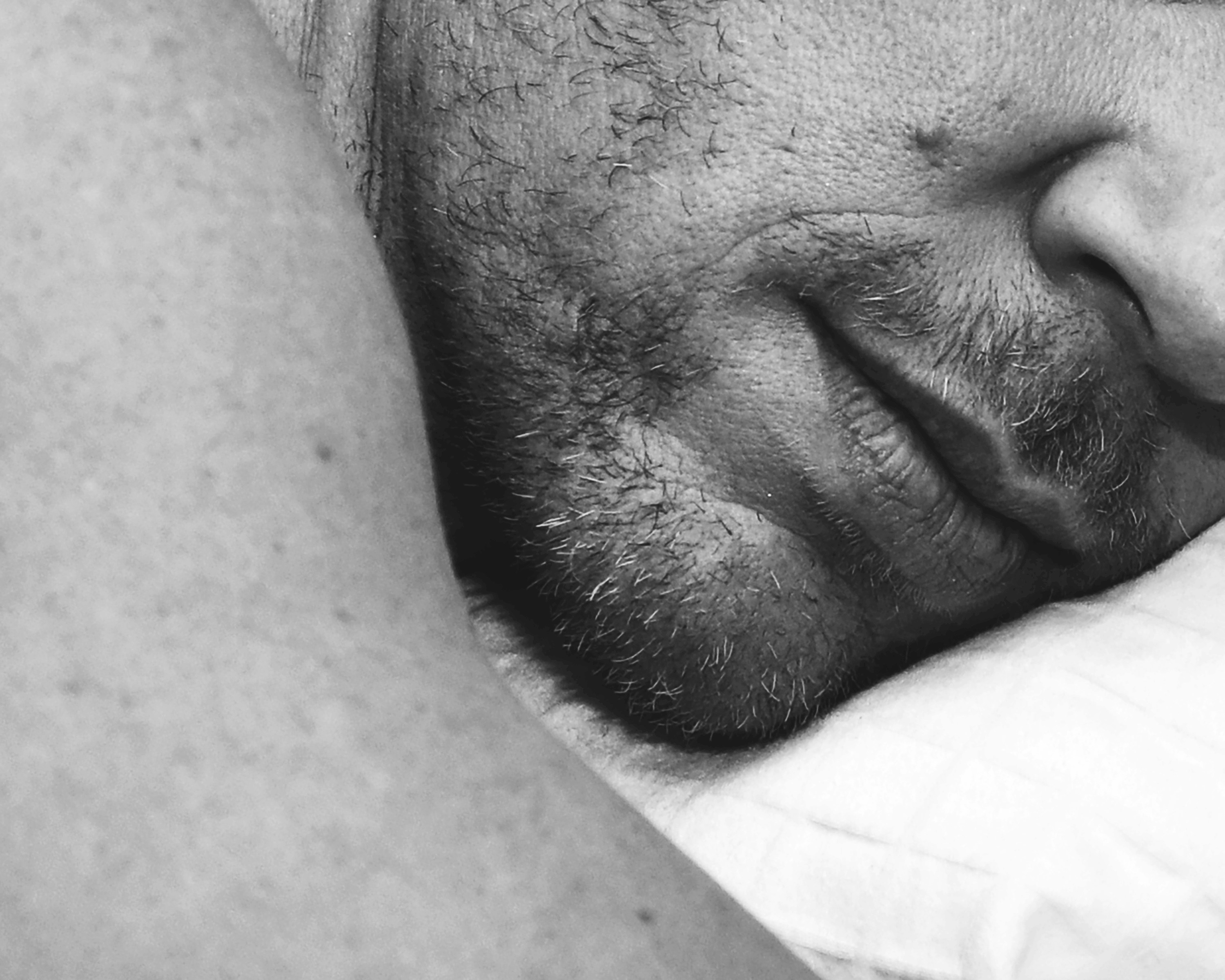
Chronic sleep deficit can lower testosterone in men, even in the younger guys, and it may affect fertility in women.2
There’s a reason why it’s called beauty sleep, too. Not getting enough of it can also do a number on your skin, leaving you looking worn out and prematurely aged.3
Even if a person doesn’t develop any of the above as a result of poor sleep, you can’t ignore the connection between mental health and slumber.4 Quality of sleep and psychological wellbeing go hand in hand when it comes to feeling good about our lives.
TL/DR: Chronic sleep deprivation can easily leave you sick, miserable, and/or haggard-looking.
But why are we so sleepless and what can we do about it?
Some of the potential causes of disordered sleep are circular. Are you stressed and anxious because you don’t sleep or do you not sleep because you are stressed and anxious? Are you so worn down that you’ve developed metabolic disruption or do you feel chronically off-balance and sluggish because your slumber is non-existent?

Other reasons why you’re not sleeping include habits that are familiar to most of us. What about your sleep hygiene? Unless you are disabled and need the space, your bed should be used only for sleeping and sex, not for doom-scrolling on your cell phone or over-indulging in the Gen-Z trend known as bed rotting.5
Your schedule might be a factor. If we sleep too much on the weekend and are tired and wired all week long, that affects things. So does the cycle of napping during the day and staying up too late at night. Do you over-eat or drink alcoholic beverages or anything with caffeine near to your bedtime? What about any medications or supplements that might interfere with healthy sleep?
Not getting a handle on anxiety, overwhelm, or stress can interrupt your sleep patterns in several ways. Do you have something specific to worry about or are you anxious, bloated, and have itchy skin or rashes? In the latter case, it may be that histamine intolerance or sensitivities are playing a role here. If you are in pain, maybe you struggle with what is colloquially referred to as painsomnia.
TL/DR: Insomnia and sleep disorders have a number of root causes; one important key to rectifying the situation is whether or not you know what those causes actually are.
*****
*****
What is possible for you when you go the holistic health route?
If you’re feeling fancy, you could always try the hot trend known as sleep tourism. Going somewhere amazing and spending a few days dedicated to your slumber could be a lot of fun and indeed very productive. But what happens when you come home? Back to the same-old same old?
My answer to this question is to ask another question. To wit: have you considered Chinese medicine? Some of the fancy spa/hotels include TCM in their wellness programs and they sell it as an effective, calming holistic modality. It is all those things, and don’t need a fancy spa vacation to experience this marvel, either. Why not find a practitioner near you who can help you to sleep much, much better if you’re interested in trying it? If you have never had an acu-nap (that’s where you doze while getting your acupuncture treatment) then you are missing out on one of life’s greatest pleasures.
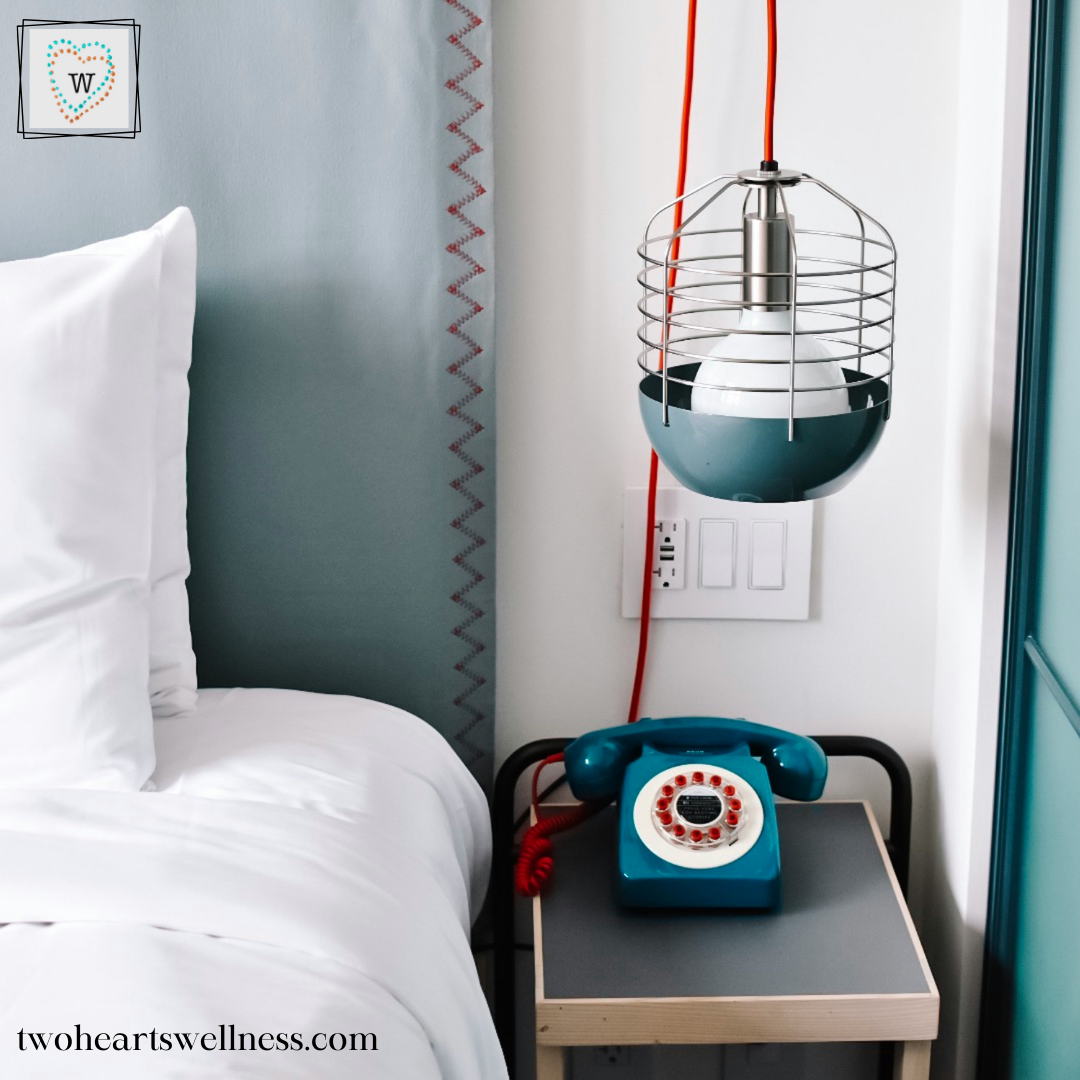
You can also expect that your practitioner will look into the root causes of your sleeplessness. This means that some patients will go over things like lifestyle habits and sleep hygiene with their acupuncturist. Others will focus on gut health and nutritional strategies. Chinese medicine has a centuries-long tradition of dream interpretation and with some patients, focusing on their dreams can yield immeasurable benefits. In many instances, interpreting sleep patterns via the Chinese circadian rhythm clock will yield significant information.
If you’re not necessarily sold on acupuncture, that is fine. In my practice, I have a number of ways to address sleep issues. These range from manual therapies like cupping and gua sha to relax my patients and their nervous systems to LED light therapy and/or herbal formulas. Gut health is whole-body health and we usually do focus on that at some point or another. Dream interpretation followed by a nap and aroma therapy can be a marvelous way to address sleep issues.
TL/DR: Sleep deprivation is a major issue and there are many ways to creatively address this problem, ranging from dedicated vacation time to working with a practitioner of Chinese medicine, to other holistic methods.
Why do you need to focus on your sleep? Why is this so important?
If scare tactics and statistics about diabetes, heart disease, dementia and more are unpersuasive, then what why not look at sleep and its neuroprotective function.6 When you sleep, your brain clears itself of waste byproducts that accumulate over the course of the day. Sleeping well is such a wonderful luxury that feels heavenly when we achieve it. Don’t you feel like sleep is your body’s reward at the end of the day?
When you sleep well, you wake up fresh-faced and ready to start a new day. Your mood is better, your metabolism functions better, and your skin looks healthier and more radiant. You have more energy. You function better. And your ability to navigate your environment with greater emotional ease is enhanced. We spend about a third of our lives sleeping for a reason: sleep is crucial to our wellbeing.
A luxury sleep vacation is a marvelous treat and may be worth the investment to you. But if you have an excellent acupuncturist nearby, then you–dear reader–have a resource. Don’t you want to sleep like a happy baby and wake up refreshed and ready to enjoy your new day?
Well then…
*****
*****
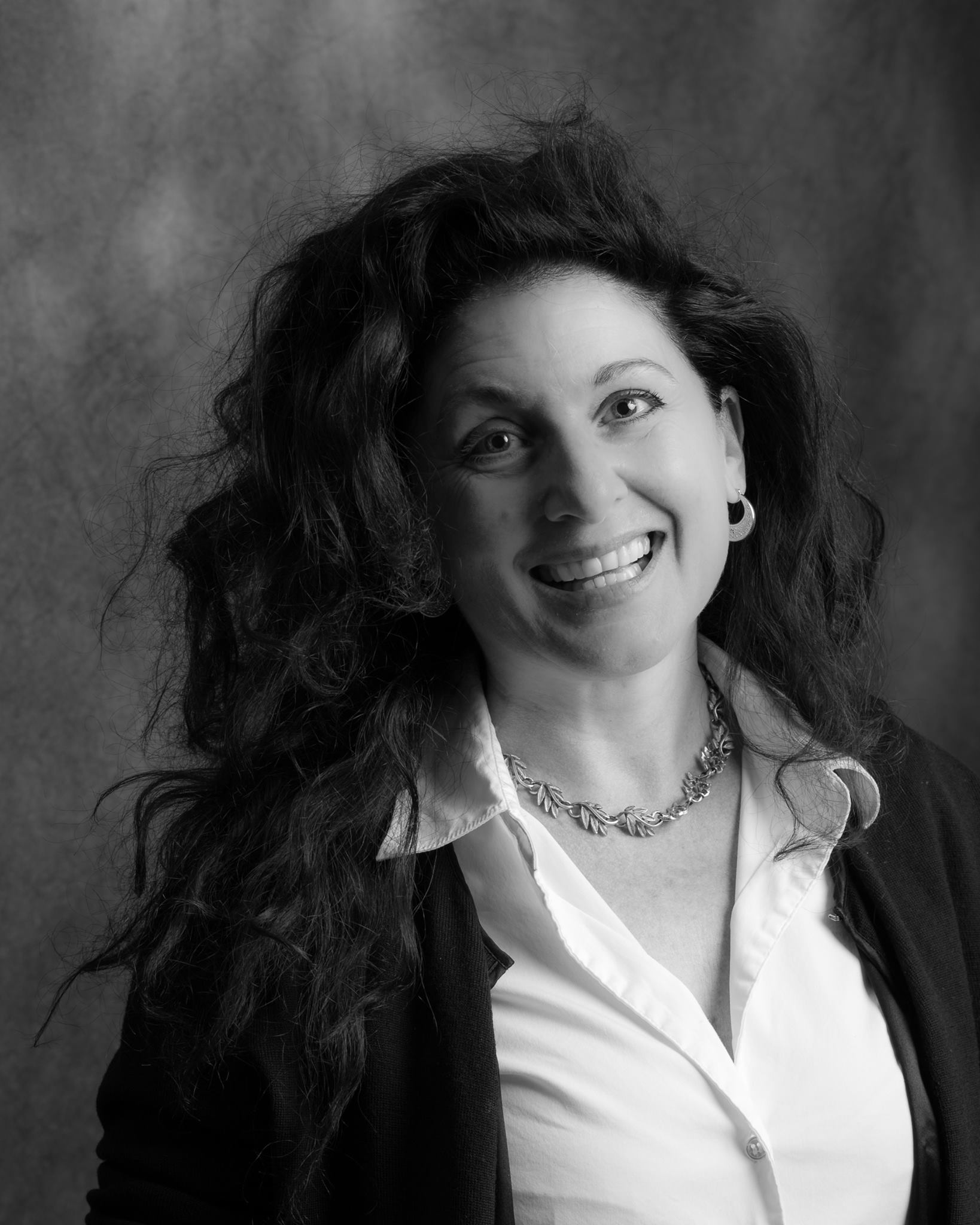
Paula Bruno, Ph.D., L.Ac., is a licensed acupuncturist and herbalist, an AOBTA-CP traditional Chinese bodywork therapist, and a wellness educator and health coach. She maintains an active and growing practice at her Austin, TX office. Dr. Bruno is also available for distance appointments for wellness consultation or coaching.
In her first career, she was a Spanish professor.
Dr. Bruno’s specialties as a Chinese medicine practitioner include: • Musculoskeletal health (acute or chronic pain relief; Ehlers Danlos syndrome & hypermobility support) • Digestive support, gut health, and weight loss • Aesthetic treatment, including scar revision • Men’s health • General preventative care and immune support for all persons.
She is the author of Chinese Medicine and the Management of Hypermobile Ehlers Danlos Syndrome: A Practitioner’s Guide. Dr. Bruno also maintains a second website, holistichealthandheds.com, with resources and information curated specifically for people with hEDS and HSD.
When you are ready to discover what traditional medicine plus a vibrant and engaged approach to holistic health can do for you, either contact Dr. Bruno or book an appointment online.
*****



Two Hearts Wellness does not accept paid advertising on this website
Note: Material on this web site site is not intended to diagnose, prevent, treat, or cure any disease, illness, or ailment. A Chinese medicine practitioner in Texas identifies syndrome patterns but does not diagnose illness. Material on this web site does not purport to identify syndrome patterns.
*****
- Sources: “Sleep Deprivation And Reaction Time: Are They Correlated?,” “Sleep Disturbances and Dementia Risk in Older Adults: Findings From 10 Years of National U.S. Prospective Data,” “The Impact of Poor Sleep on Type 2 Diabetes,” and “Sleep quality and risk of cancer: findings from the English longitudinal study of aging.” ↩︎
- See “Effect of 1 Week of Sleep Restriction on Testosterone Levels in Young Healthy Men” and “Impact of sleep patterns upon female neuroendocrinology and reproductive outcomes: a comprehensive review.” ↩︎
- Take a look at “Cues of Fatigue: Effects of Sleep Deprivation on Facial Appearance.” ↩︎
- Refer to “Mental Health and Sleep.” ↩︎
- “The art of bed rotting: A self-care practice demystified” does not entirely live up to its promise to demystify this practice but it’s an interesting article nonetheless. And while spending one’s day in bed in this spirit sounds like fun (or at least good rest), the outcome of overdoing it may not be desirable (“Is ‘Bed Rotting’ Good or Bad for Your Sleep?“). ↩︎
- See “The Neuroprotective Aspects of Sleep.” ↩︎
 Two Hearts Wellness
One thought on “Sleep: Why You Need It and How To Get It”